Qatar: from the souq to Lusail
Doha’s museums and waterfront, Education City, an extravagant hotel stay and a memorable Indian meal.
Qatar’s architecture impressed me again and again: the National Museum, Qatar National Library, Lusail’s towers and even the metro stations. Between those visits came the bustle of Souq Waqif, quiet afternoon streets and some exceptionally generous meals.
Doha’s waterfront and The Pearl
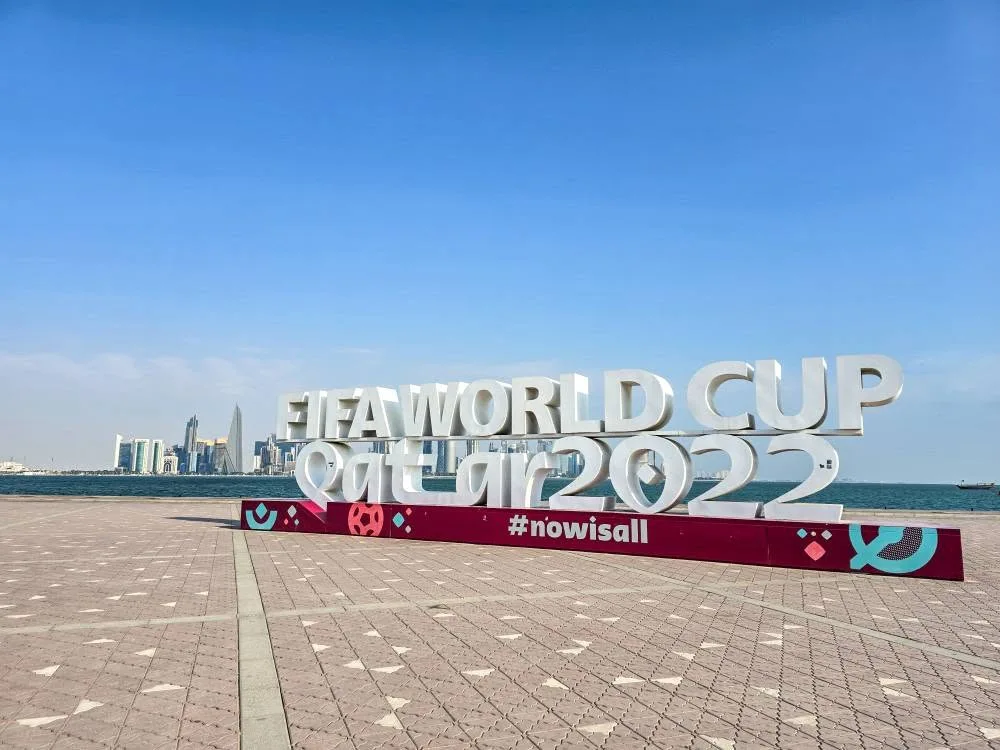
The waterfront visit took in Doha’s business district, the coastline and The Pearl. Across the water, glass towers rose behind the broad promenade; the Qatar 2022 sign was still there when I visited in 2025.
At The Pearl, boats filled the marina beside pale apartment blocks. I ended that post with a simple reaction: “Thank you Qatar! Amazing country!”
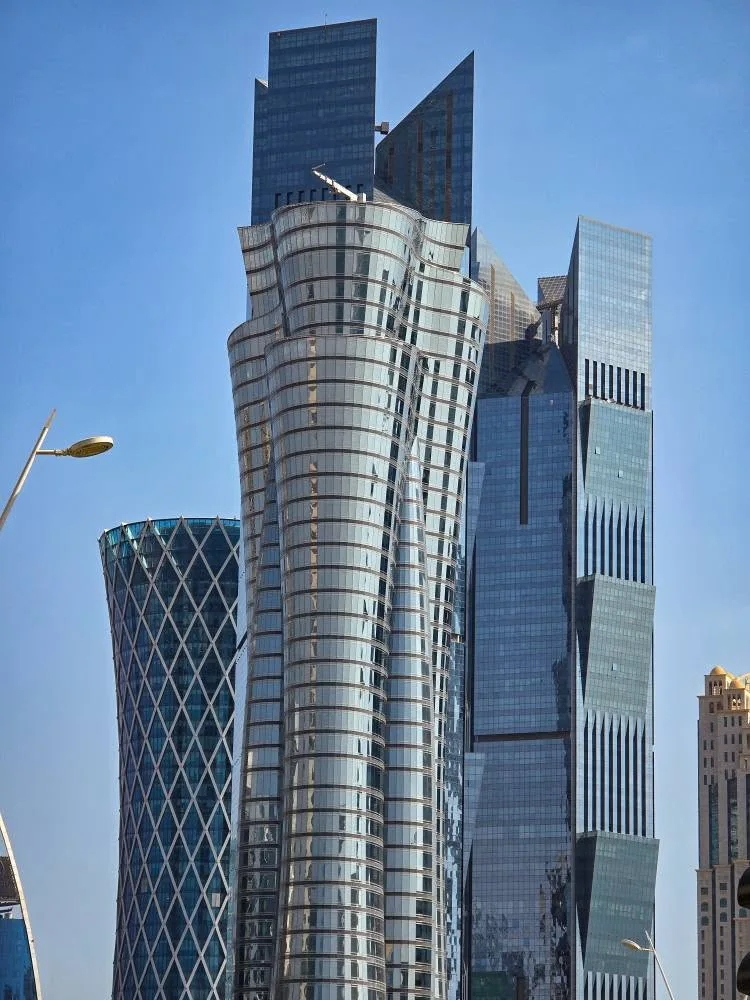
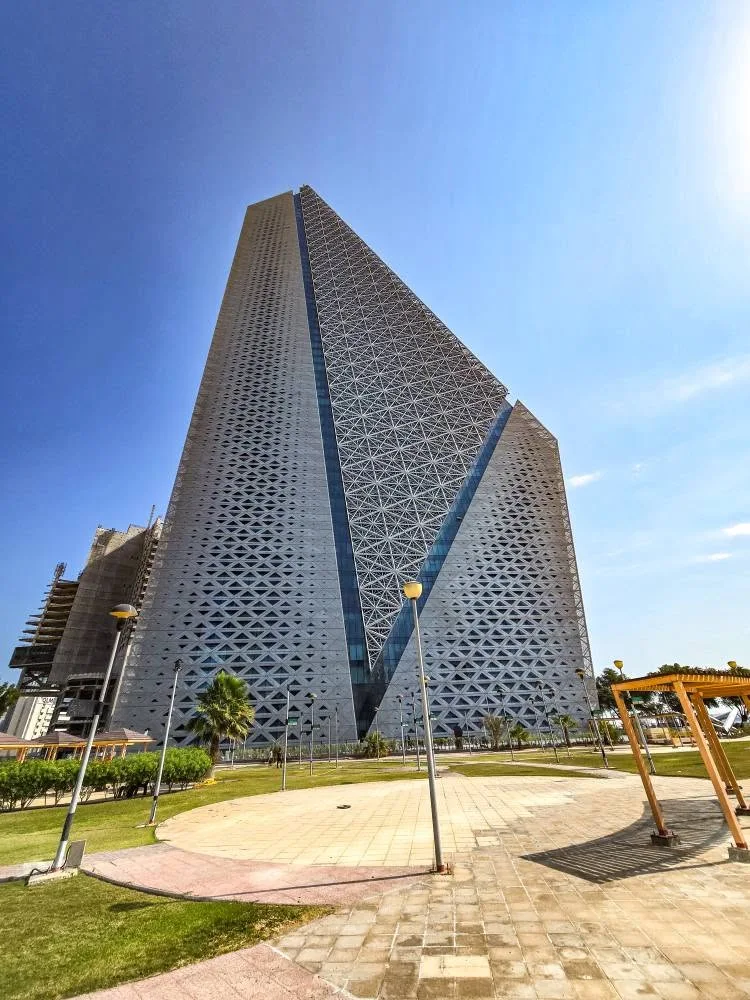
The skyline changed from one view to the next: smooth glass façades gave way to a tower covered in repeating triangular patterns, with a strip of green beneath it.
Lusail Boulevard
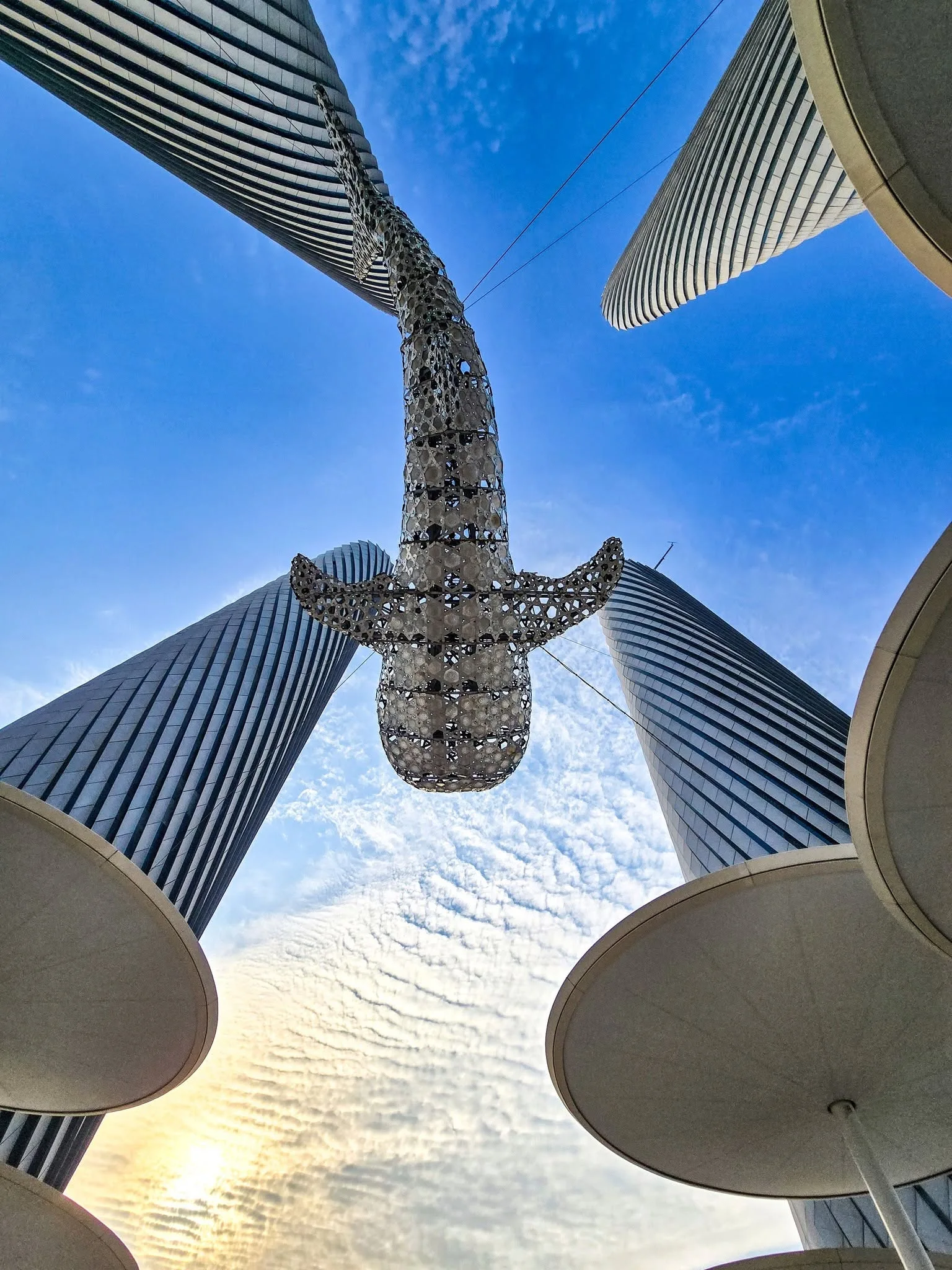
Lusail’s four towers were imposing, with a metal whale suspended between them. Standing below it meant looking almost straight up into the sky.
What surprised me most was how quiet the boulevard felt at four in the afternoon. There were remarkably few people around during that visit.
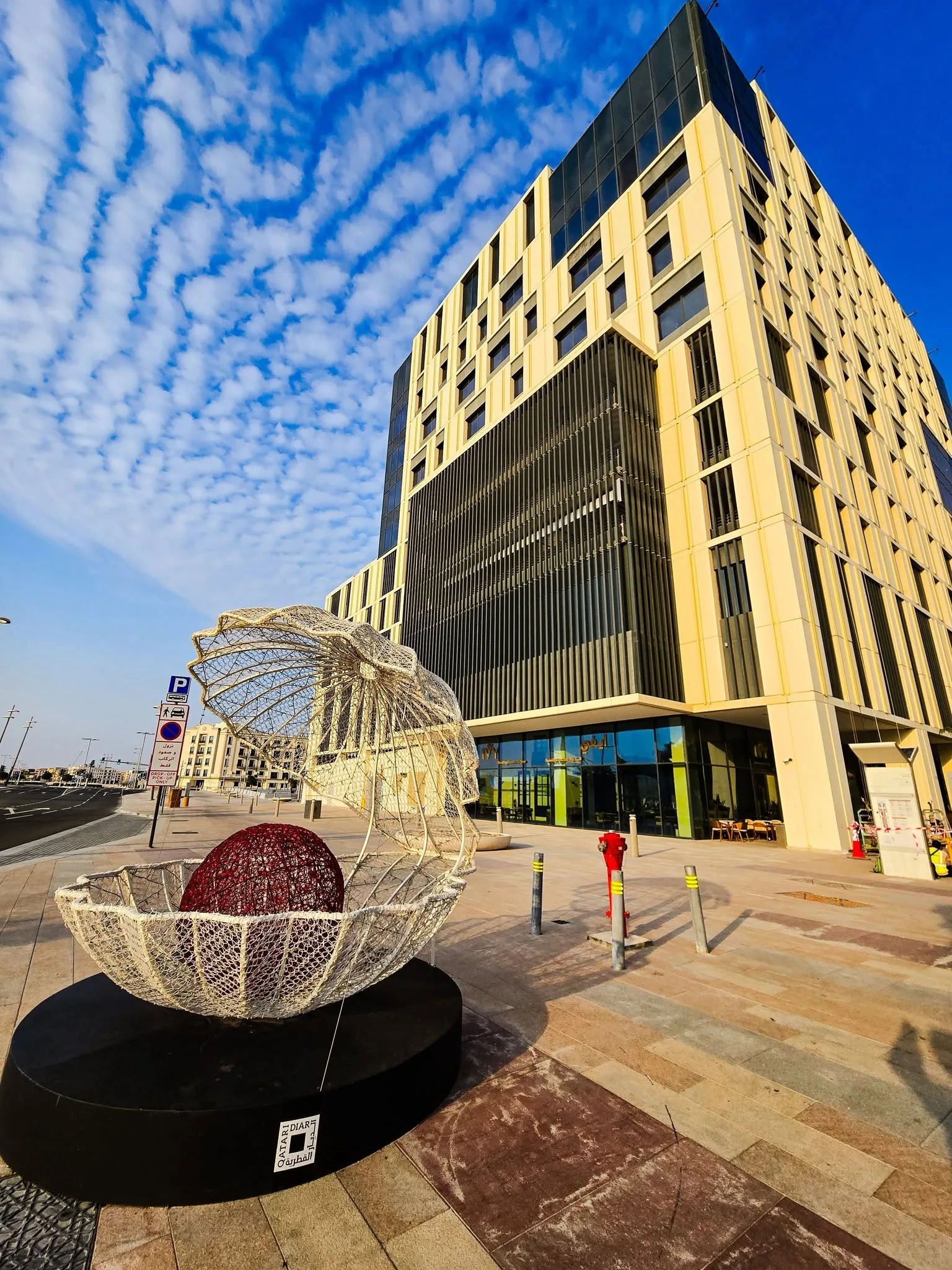
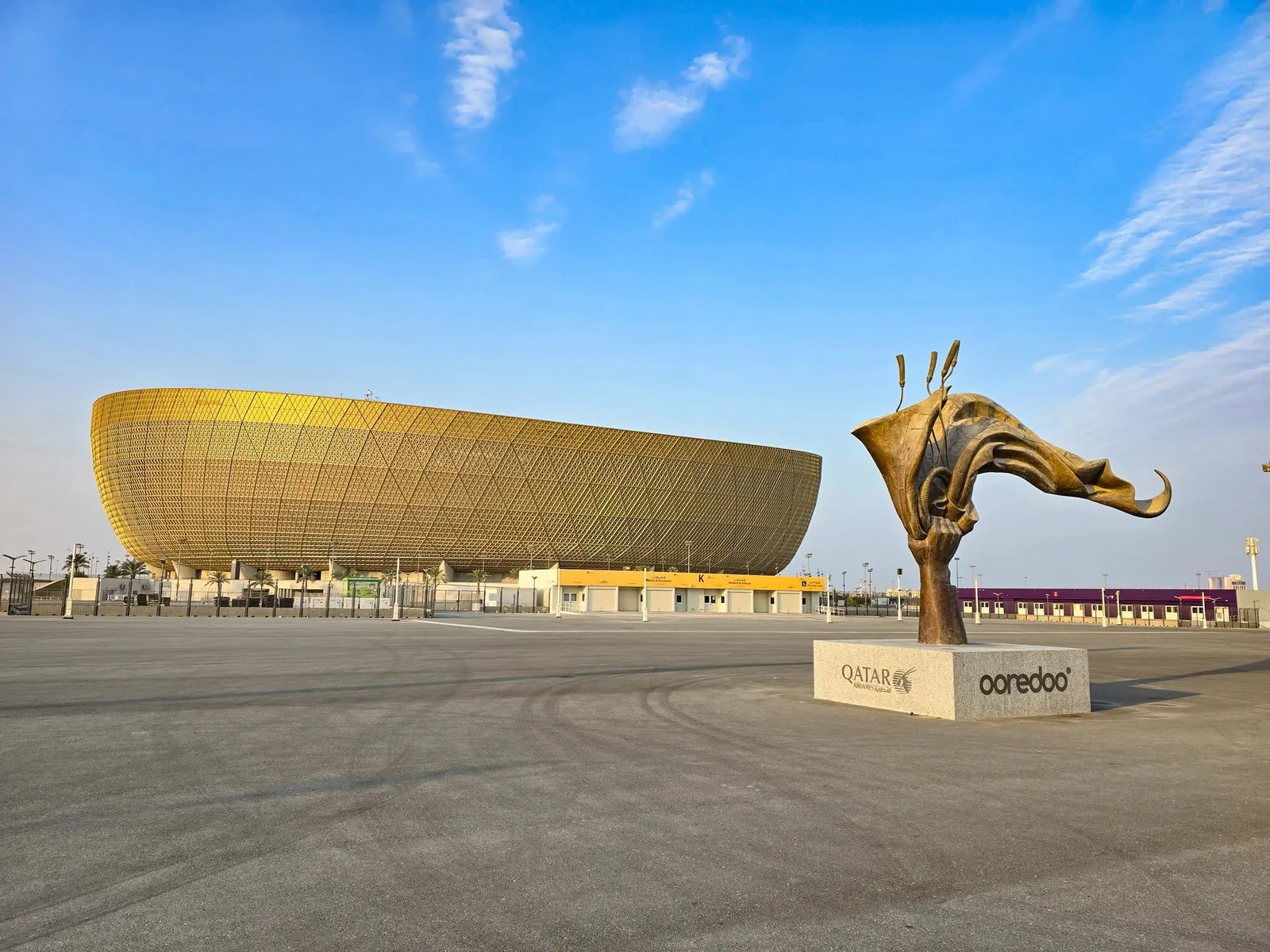
Other photographs from Lusail show an openwork oyster-and-pearl sculpture and the gold-coloured stadium. The contrast between those smaller sculptural details and the enormous buildings made this part of the city especially striking.
Lusail: Katara Towers and Place Vendôme
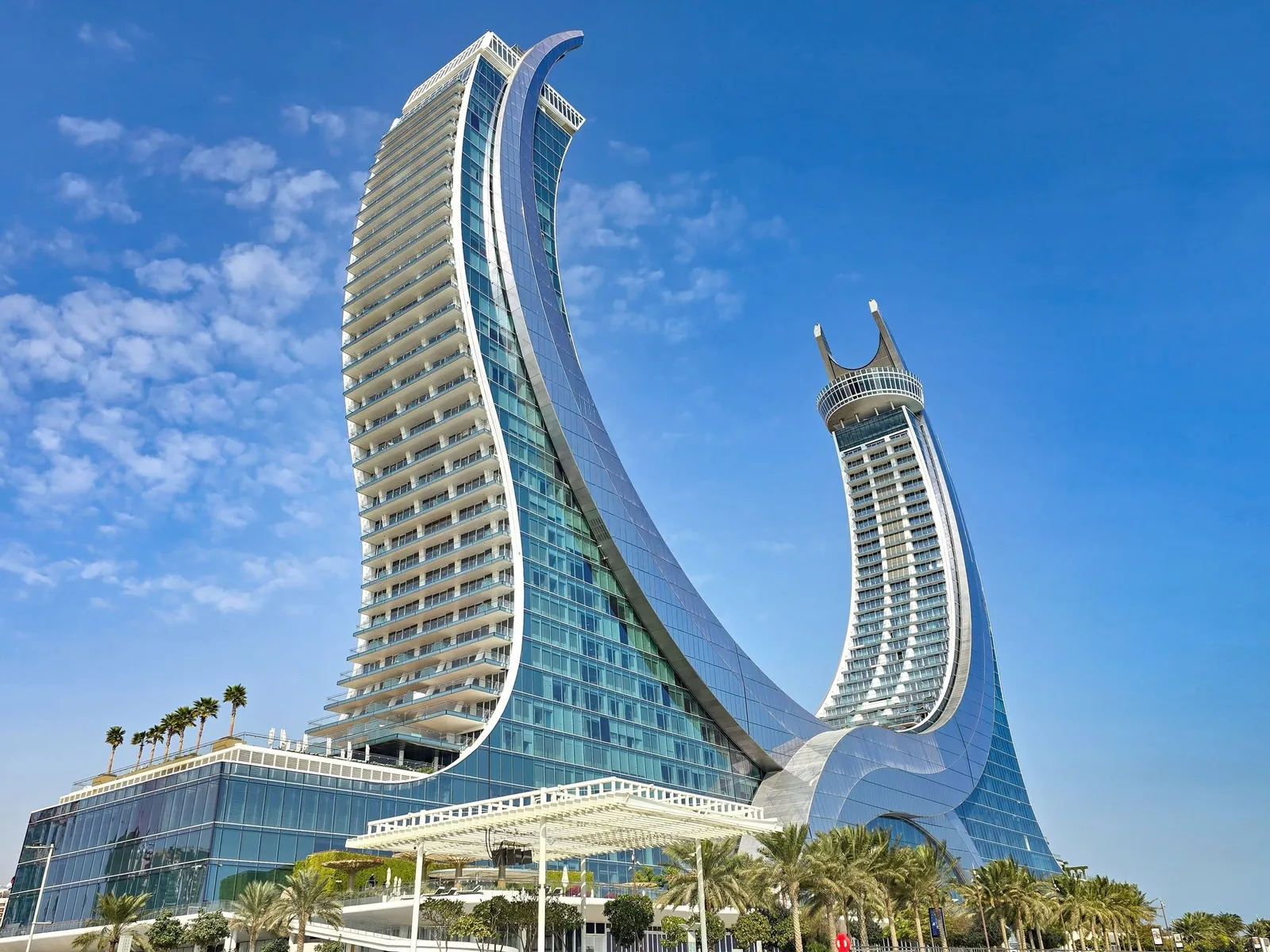
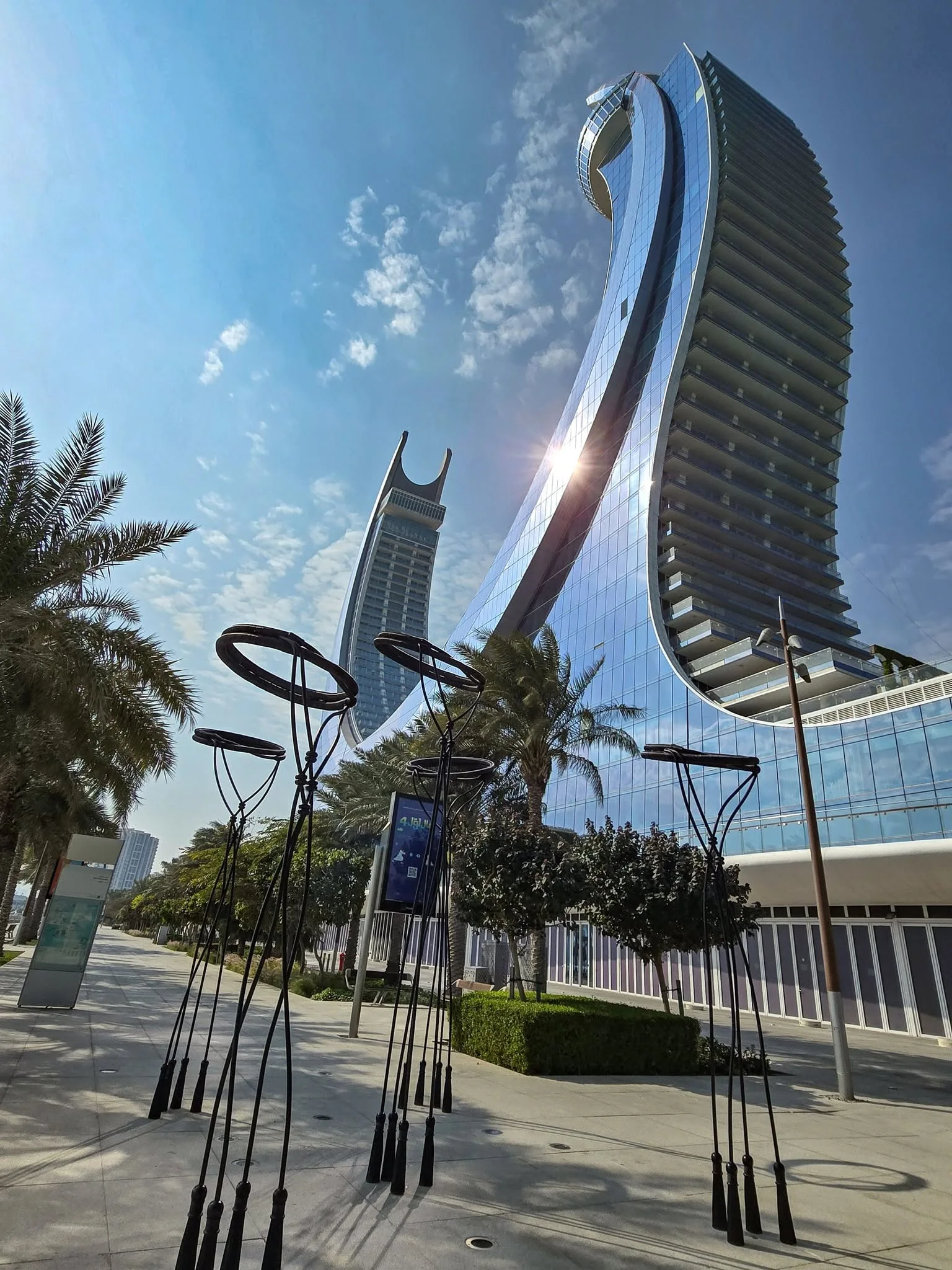
The two curved wings of Katara Towers house Raffles Doha and Fairmont Doha. From the waterfront, the building’s crescent shape was unmistakable.
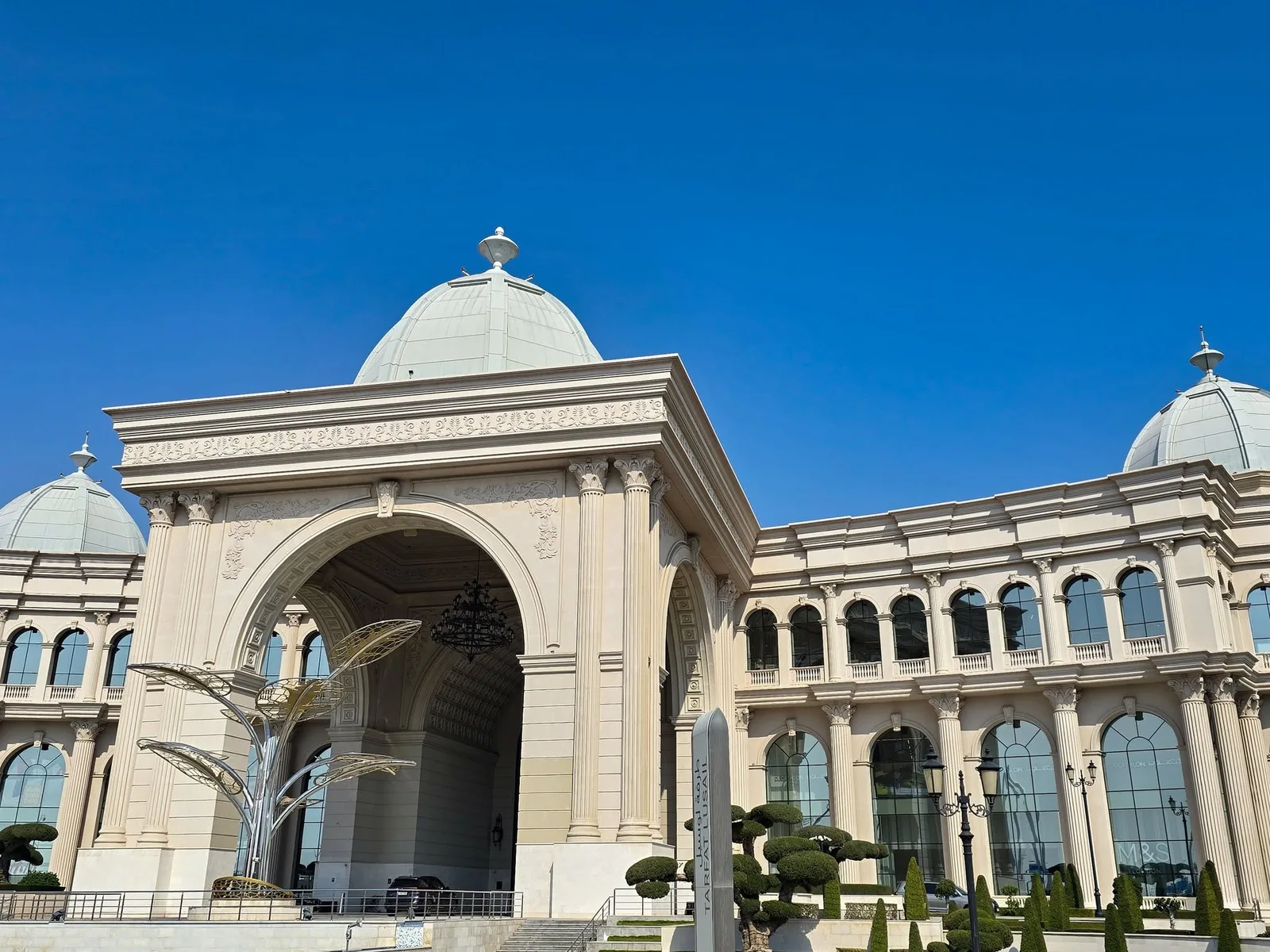
Place Vendôme was another Lusail stop: an enormous, French-inspired shopping mall that I thought was beautiful.
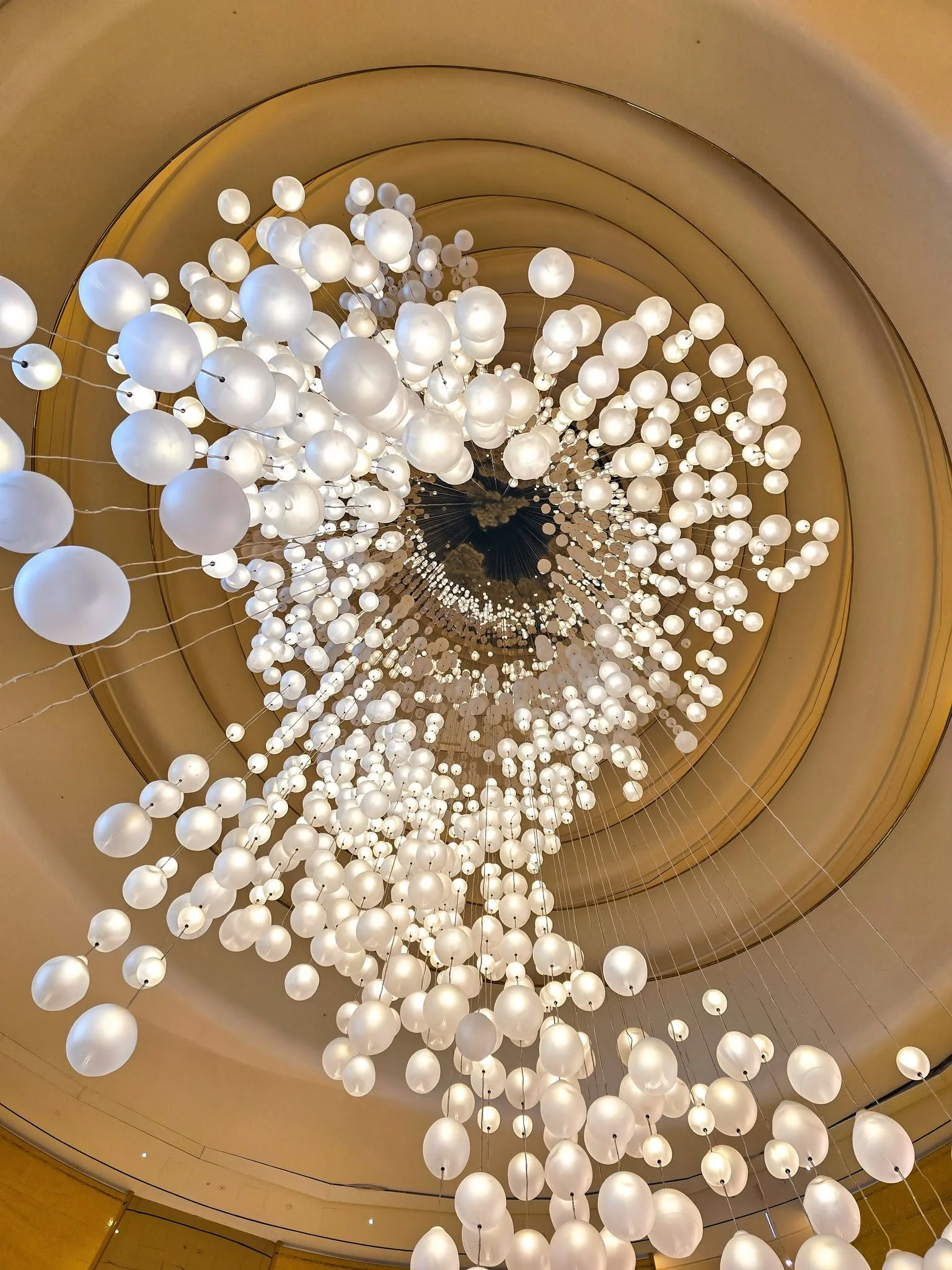
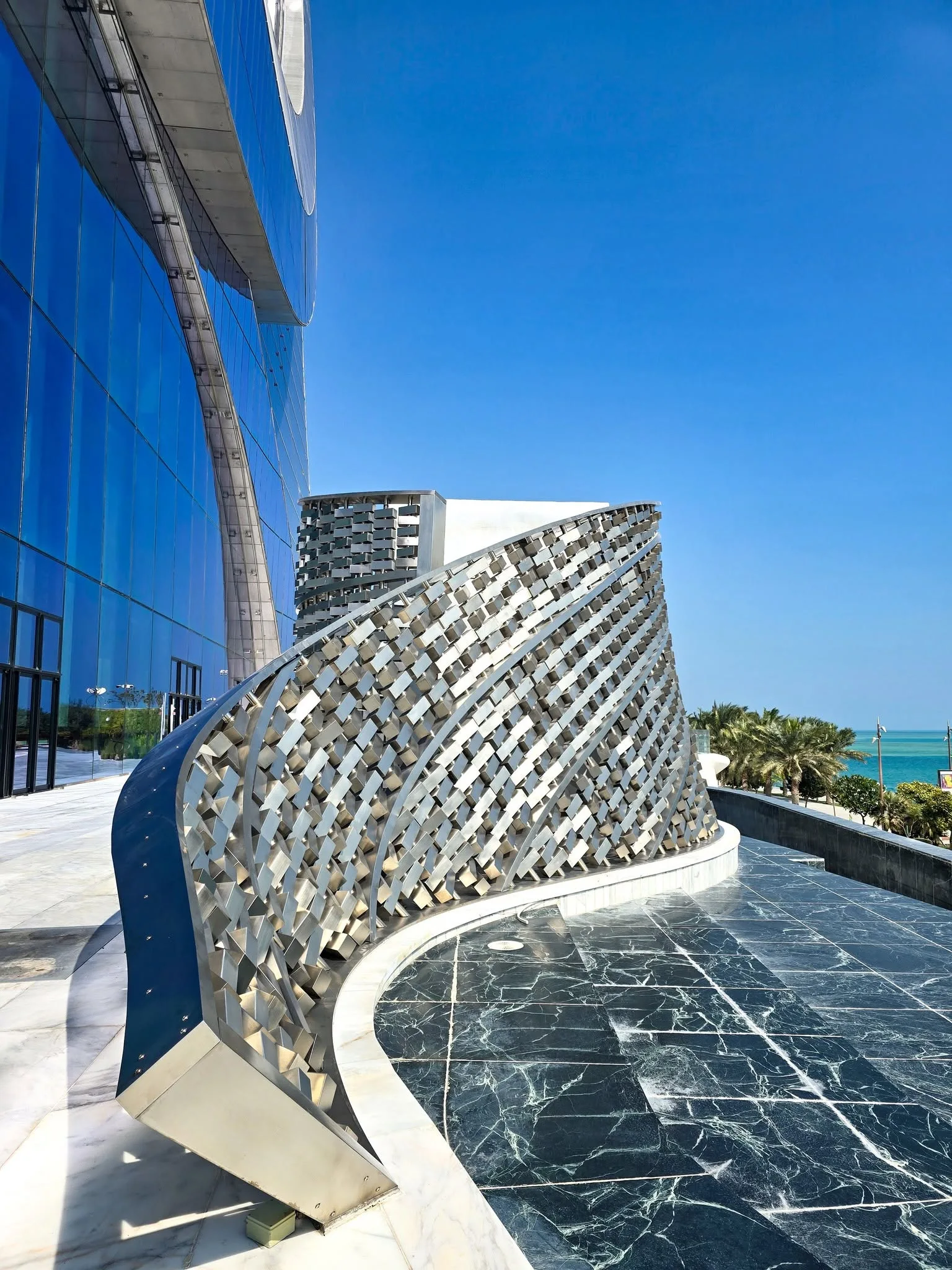
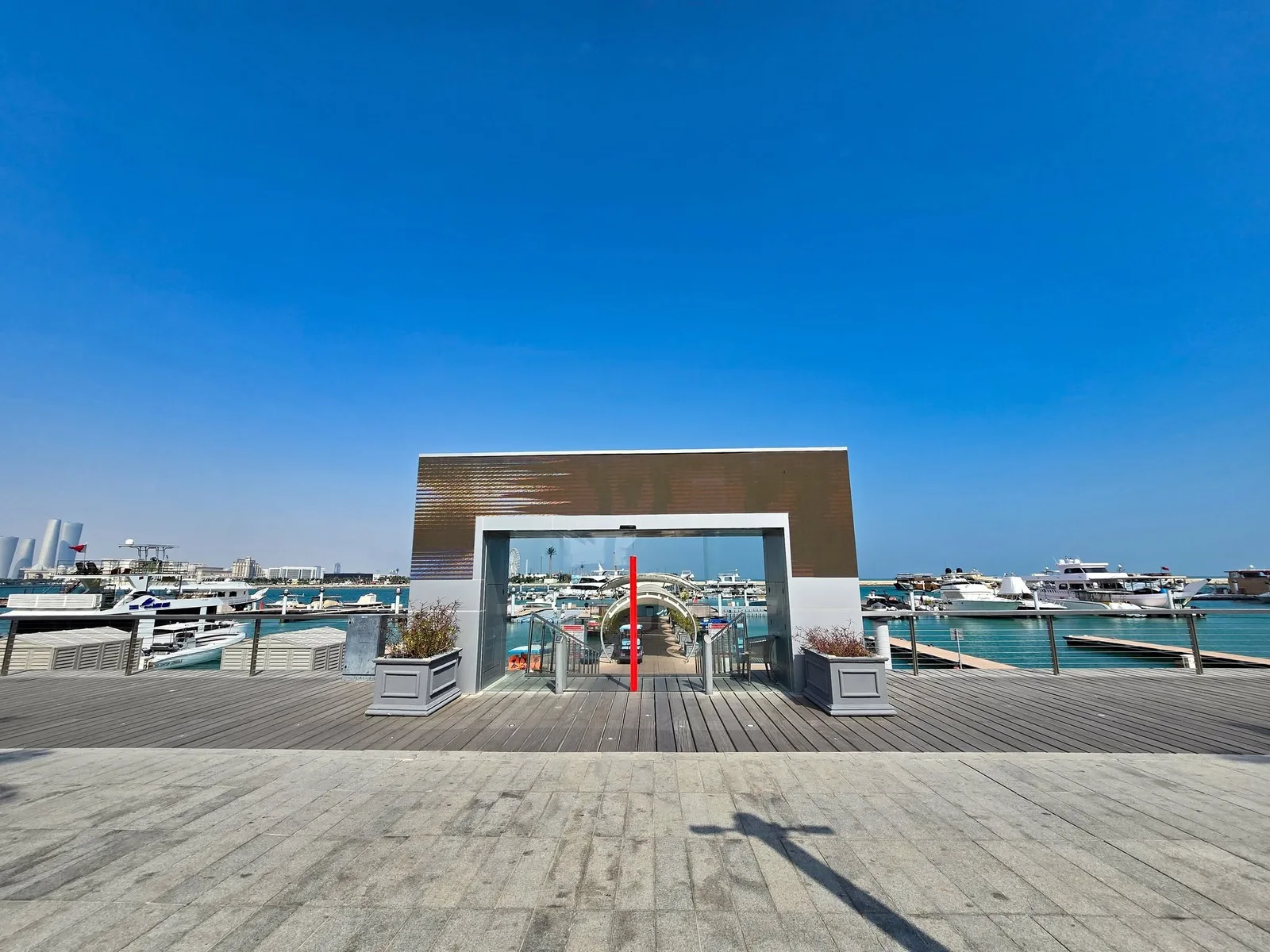
Around the towers, the photographs caught globe lights suspended overhead, curved metalwork and a marina entrance. From the pavement, the glass façades filled much of the sky; at Place Vendôme, domes and an elaborate arch replaced those sweeping curves.
Souq Waqif
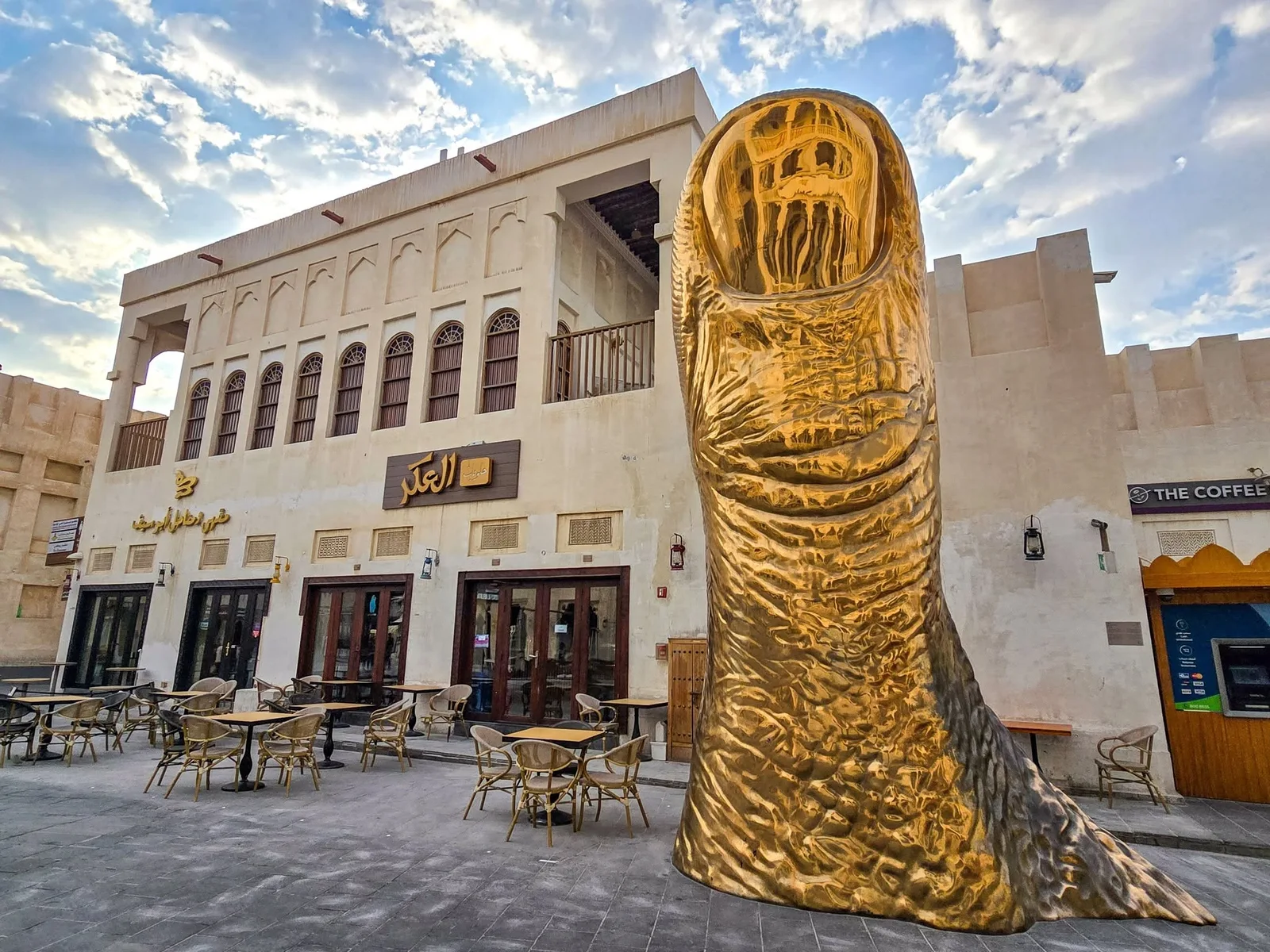
Souq Waqif felt much busier than the quiet streets I had been seeing elsewhere. Pigeons gathered around the fountain, people filled the market lanes, and mounted police passed through.
Beside the outdoor café tables stood the enormous golden thumb sculpture.
Katara Cultural Village
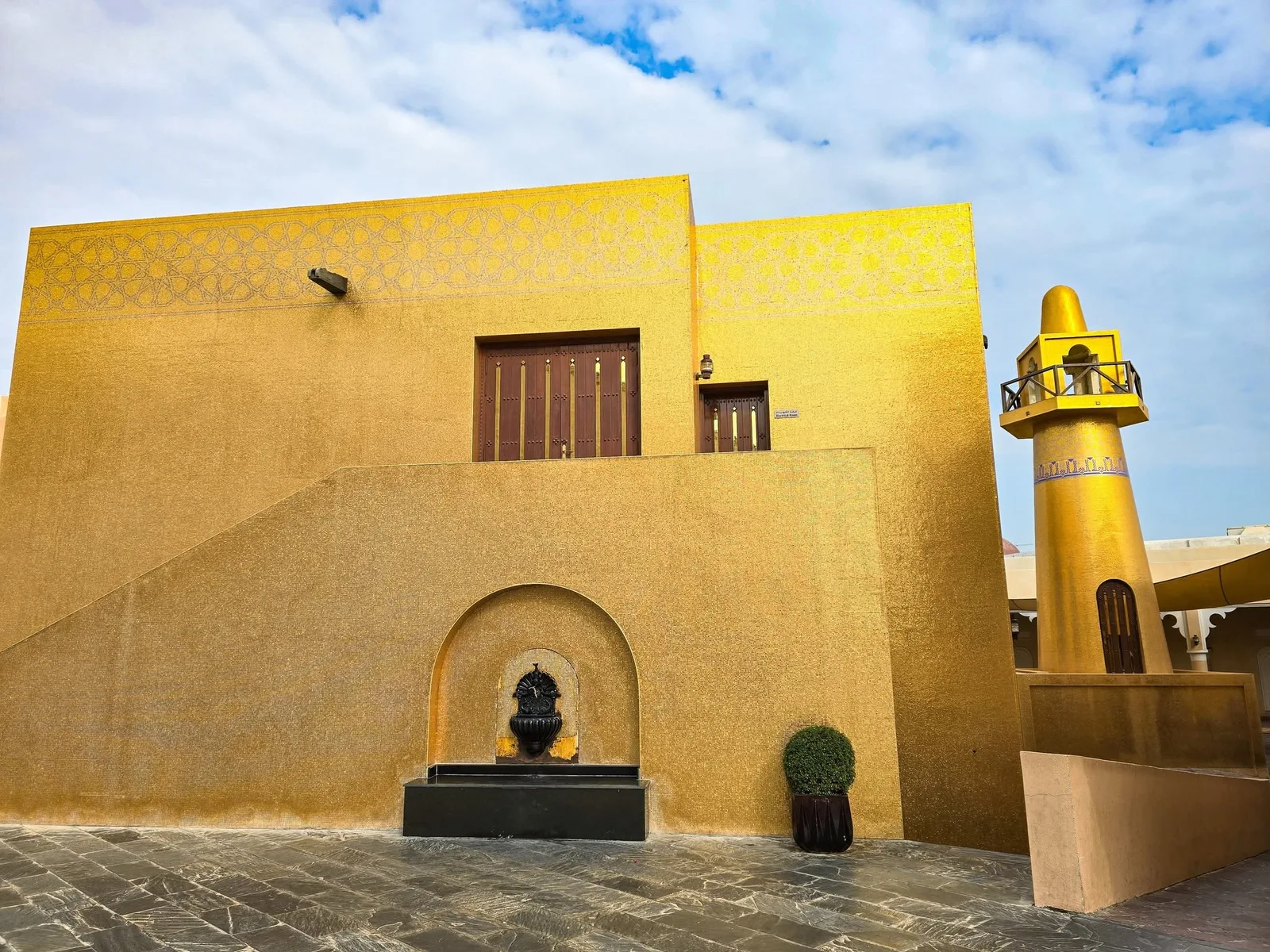
At Katara Cultural Village, tall dovecotes stood beside a mosque decorated in blue. The amphitheatre was another sight from the visit, along with the mosque with walls covered in gold-coloured tiles.
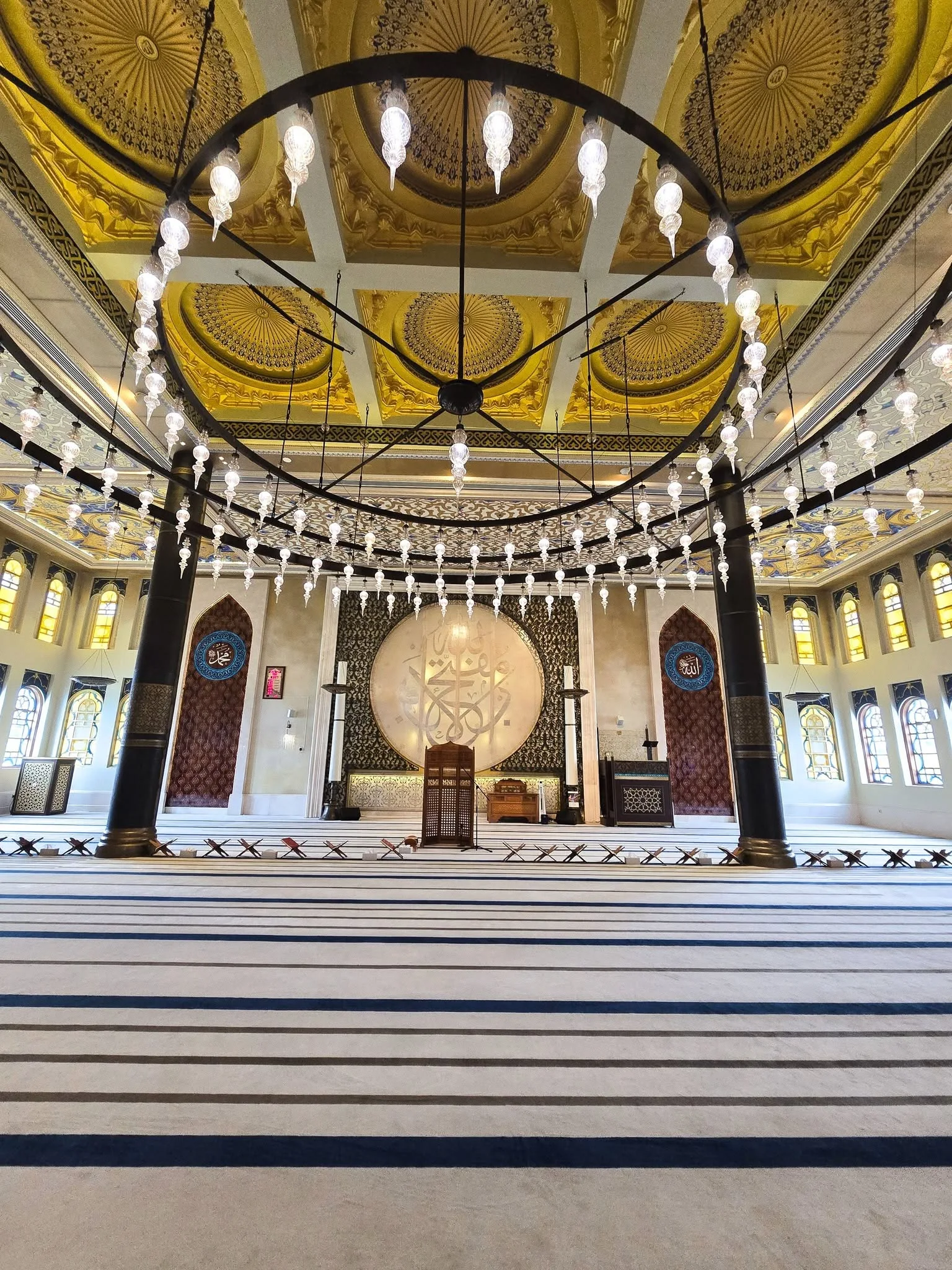
The interior view was just as ornate: round hanging lamps sat beneath a patterned gold ceiling, above a carpet marked out in repeated rows.
Msheireb Downtown
In Msheireb Downtown, I photographed a tram on a street lined with pale buildings. The low sun shone between them as people walked along the pavement.
National Museum of Qatar
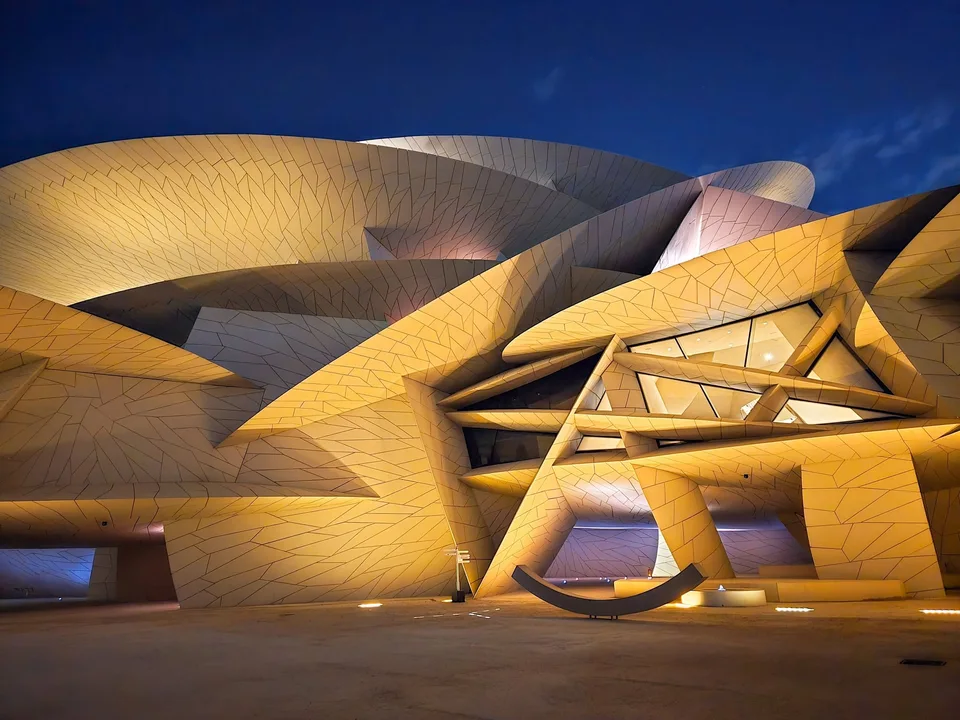
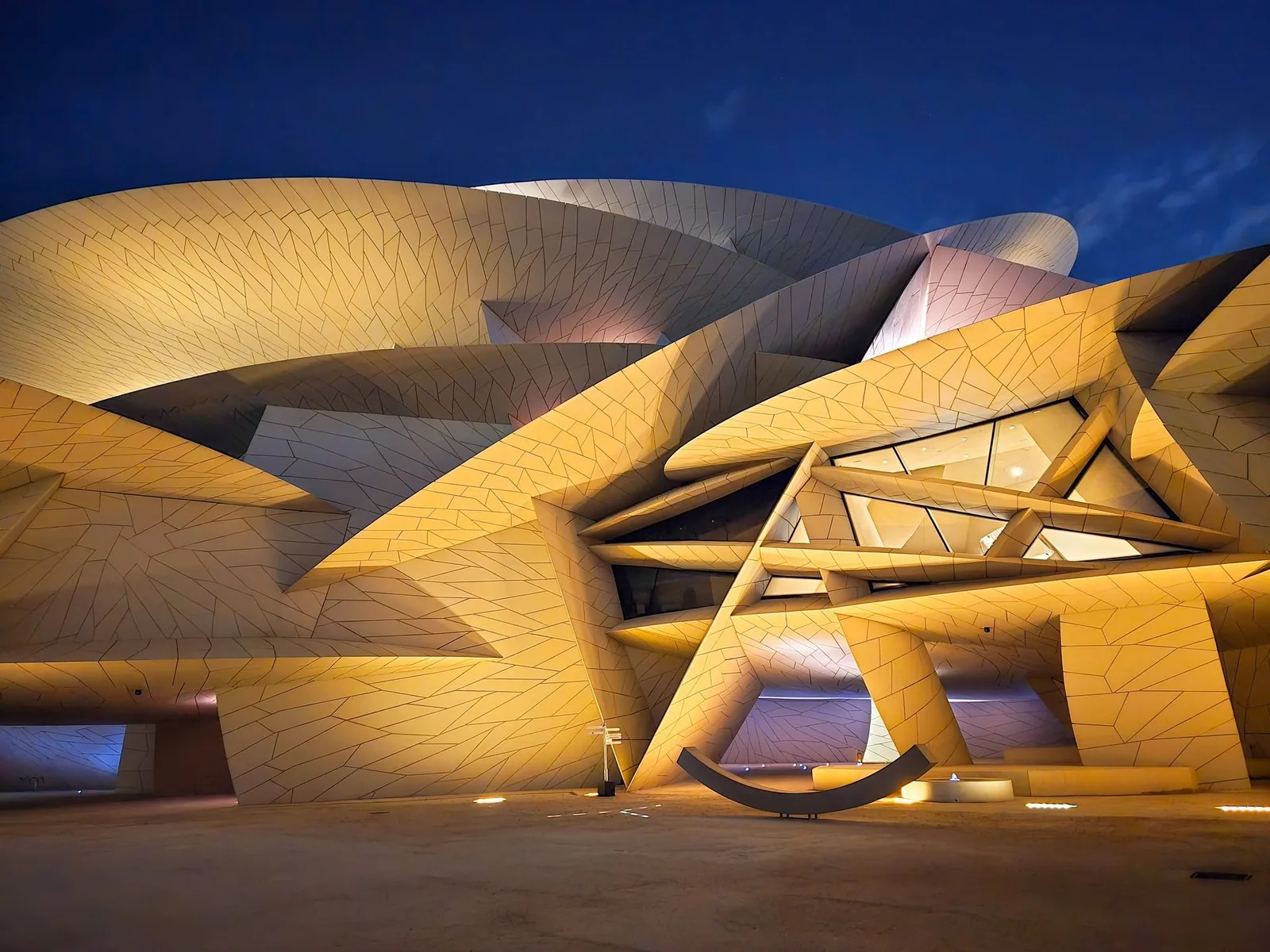
The National Museum’s architecture was a highlight. I photographed it after dark, when the overlapping discs were lit in gold against the deep blue sky. “Amazing architecture” was my immediate verdict.
Aspire Zone: the Torch
The trip also included the Torch, in Aspire Zone on Al Waab Street.
Education City and Qatar National Library
Education City, in Al Rayyan, was another place that felt strikingly quiet during my afternoon visit. Around three o’clock, the open spaces seemed to have very few people in them.
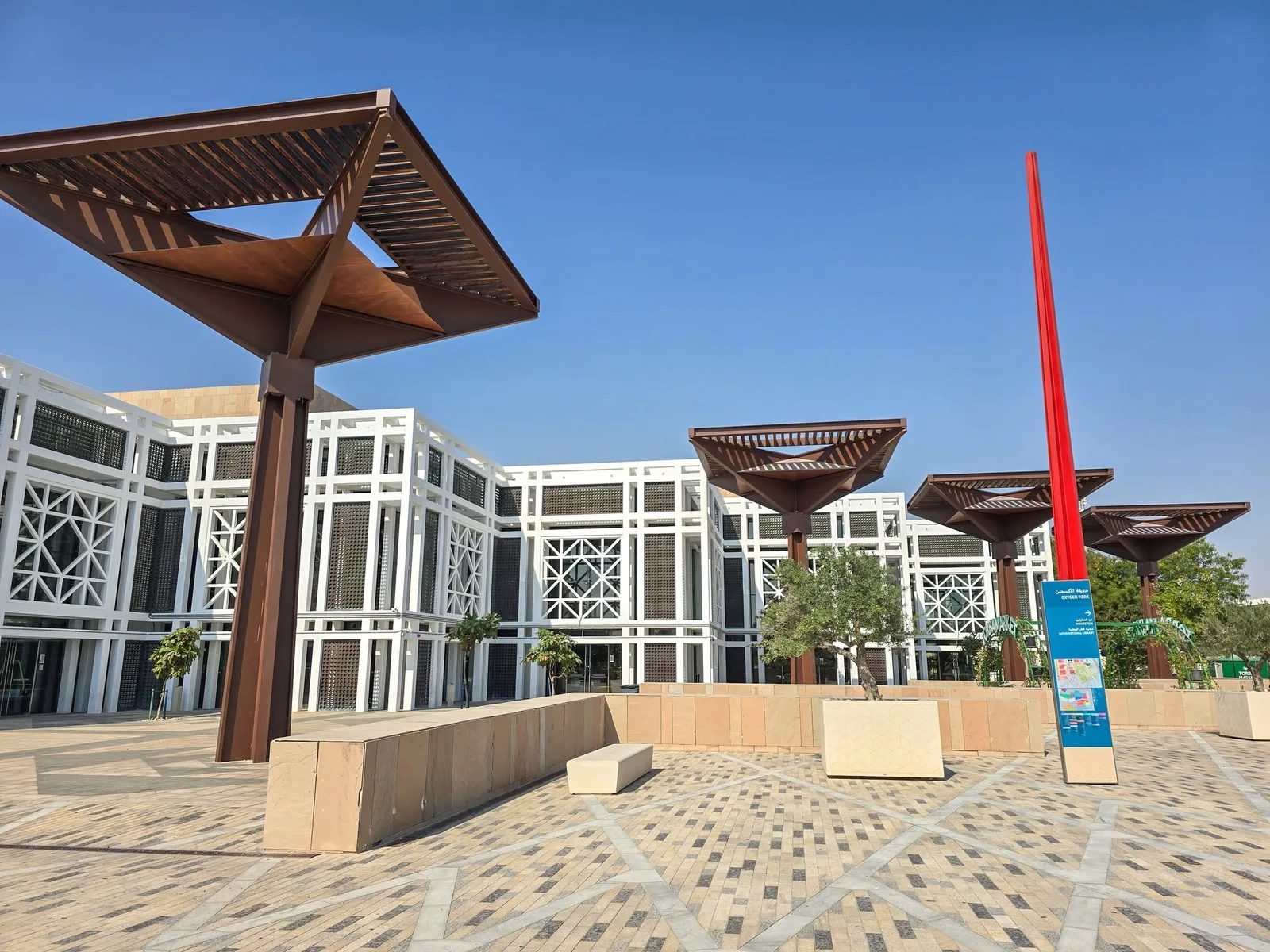
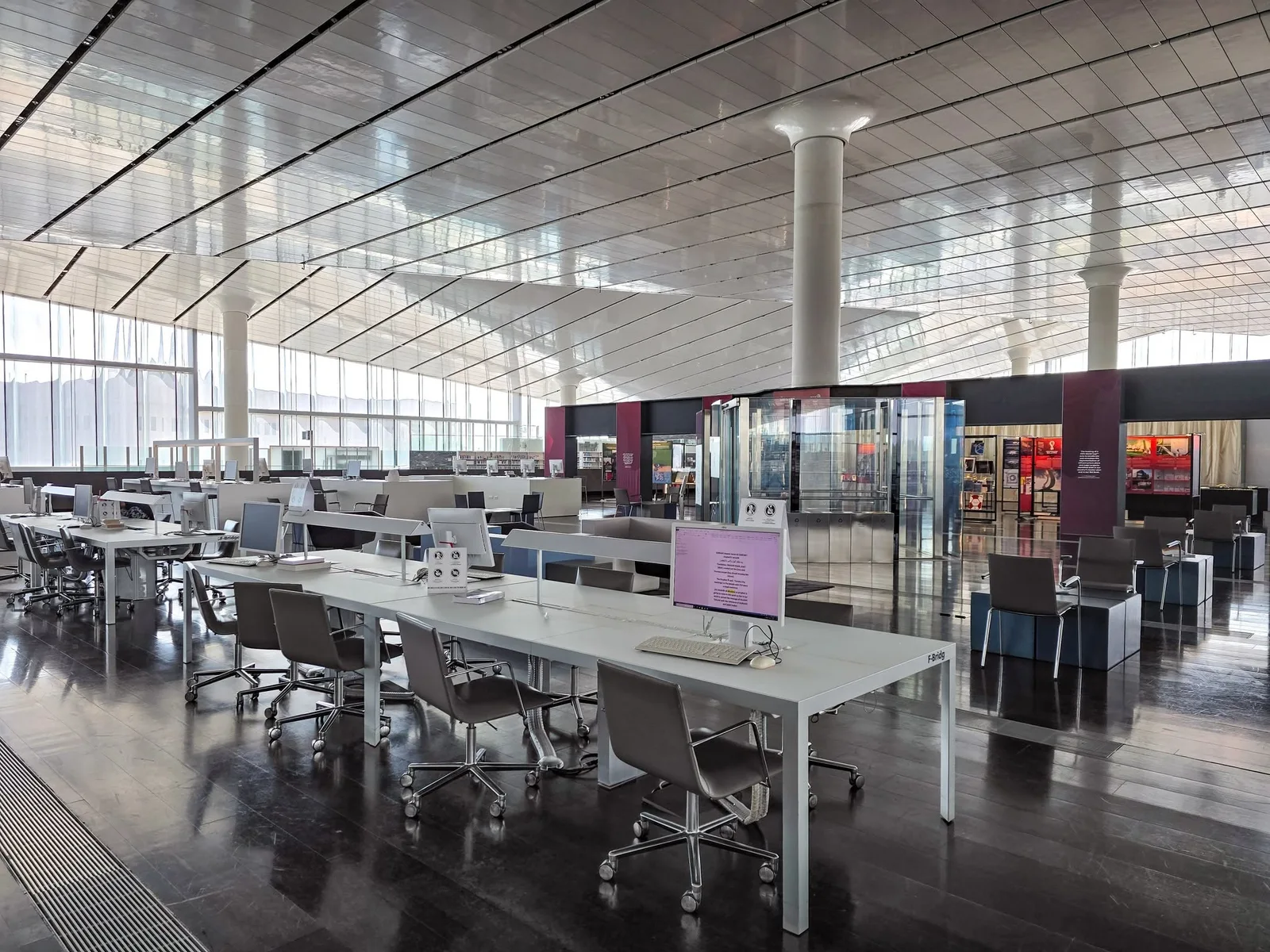
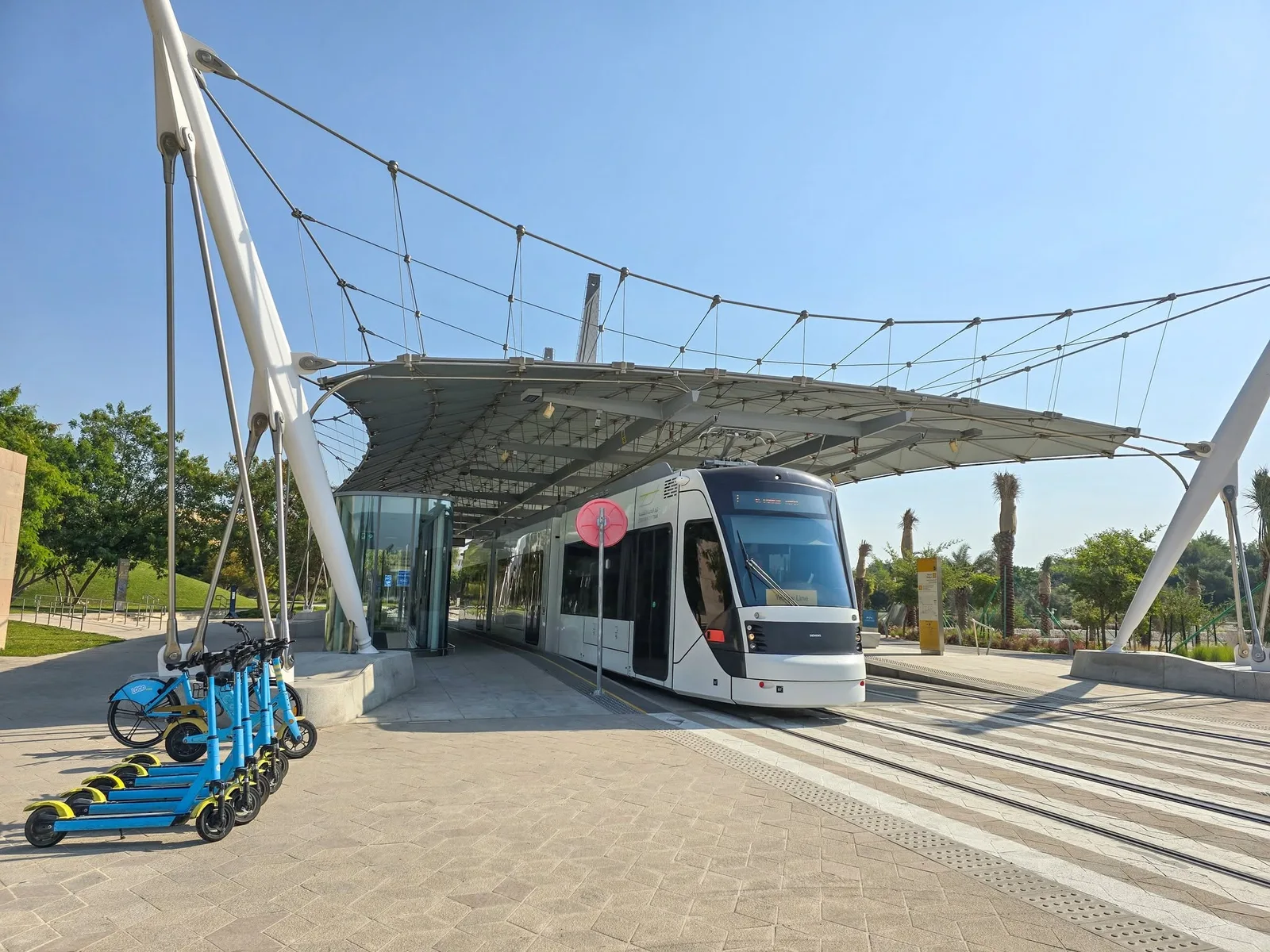
The campus visit included plazas, the mosque and a tram stop. At Qatar National Library, bookshelves rose in terraces beneath a vast ceiling, with tall windows bringing light into the reading and study areas. Its architecture impressed me too.
The tram stop and its rows of bicycles and scooters were another view of the campus. Inside the library, the study desks, tall windows and reflective ceiling formed a very different kind of open space.
Museum of Islamic Art: manuscripts
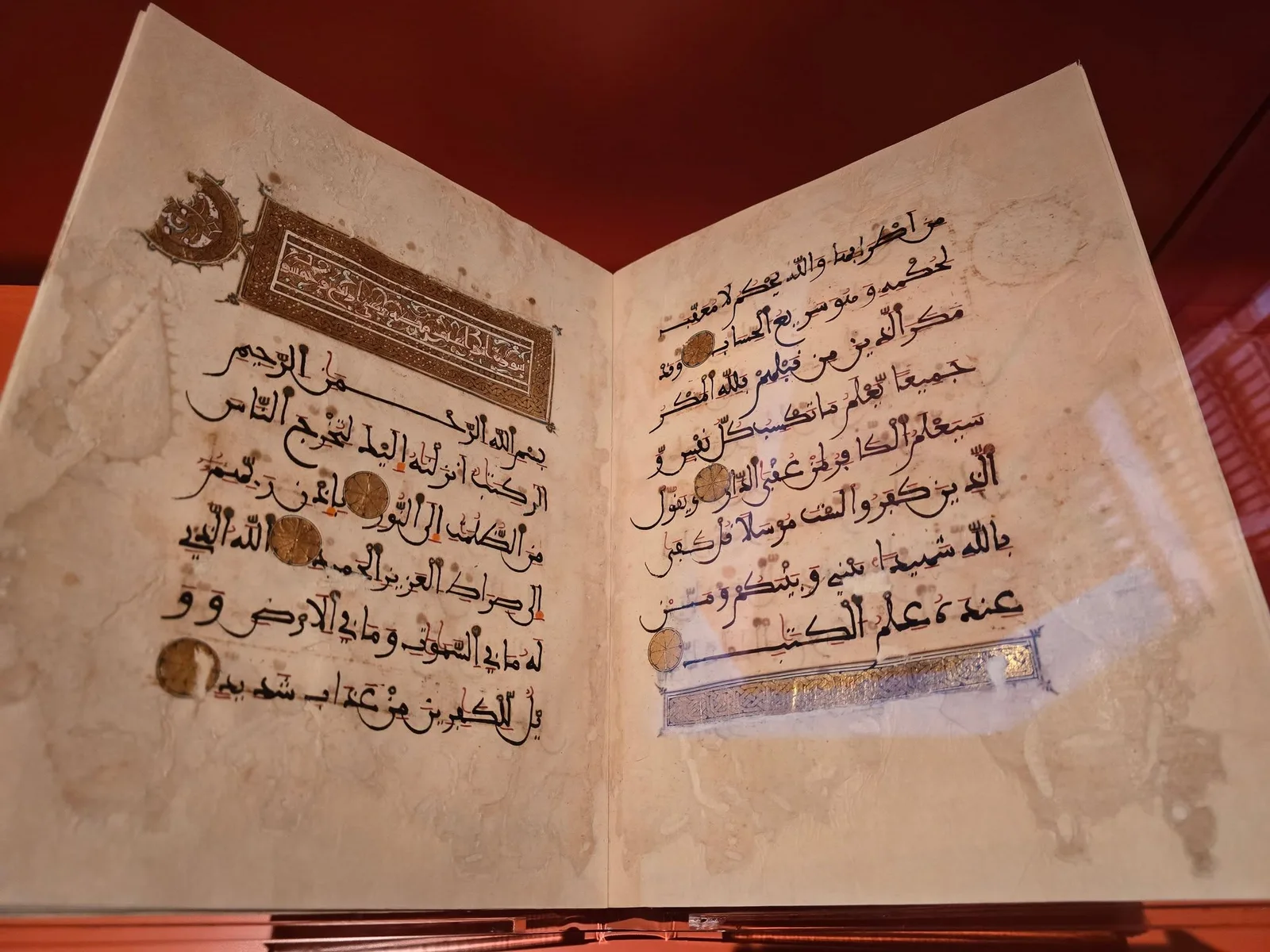
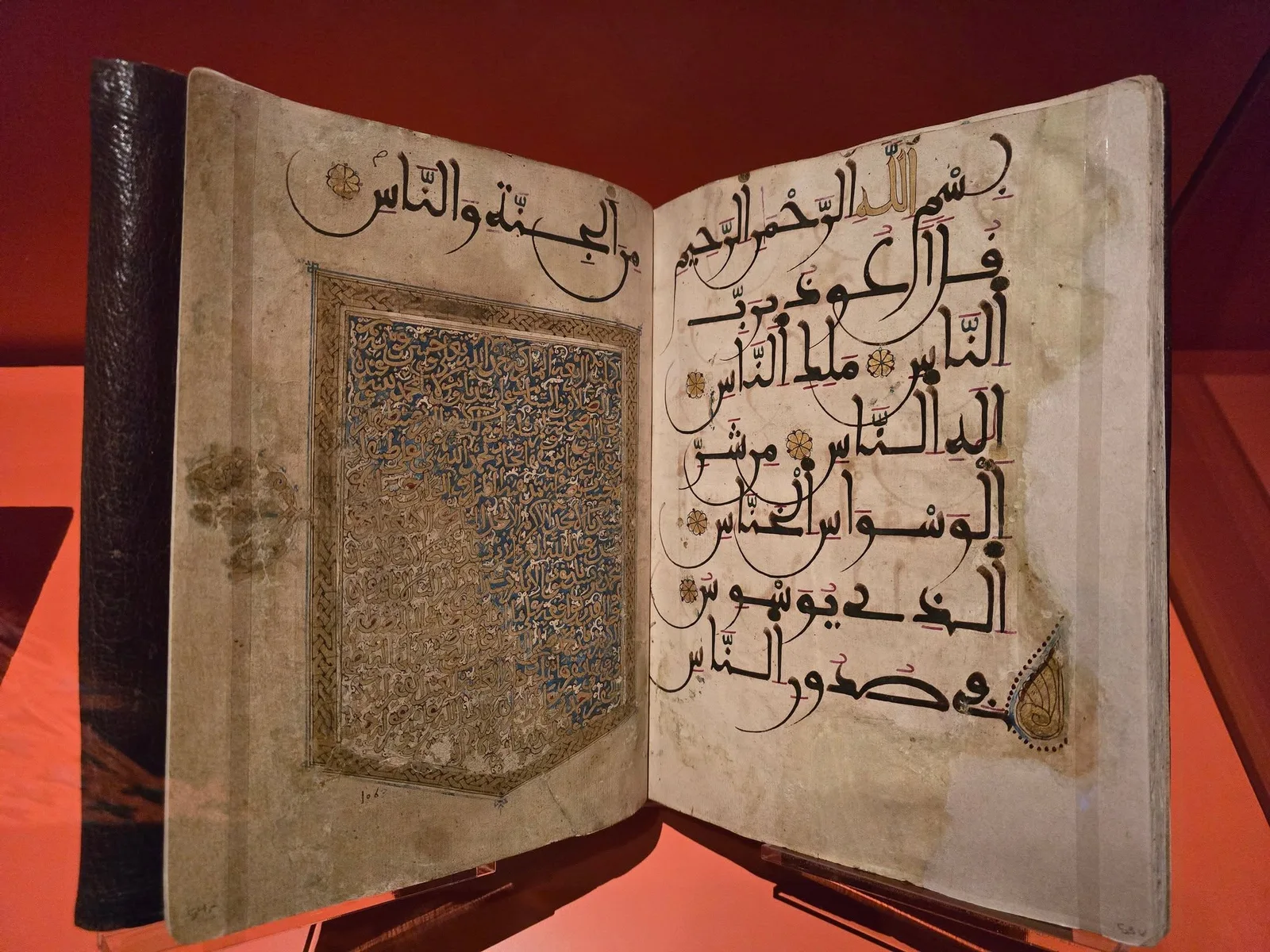
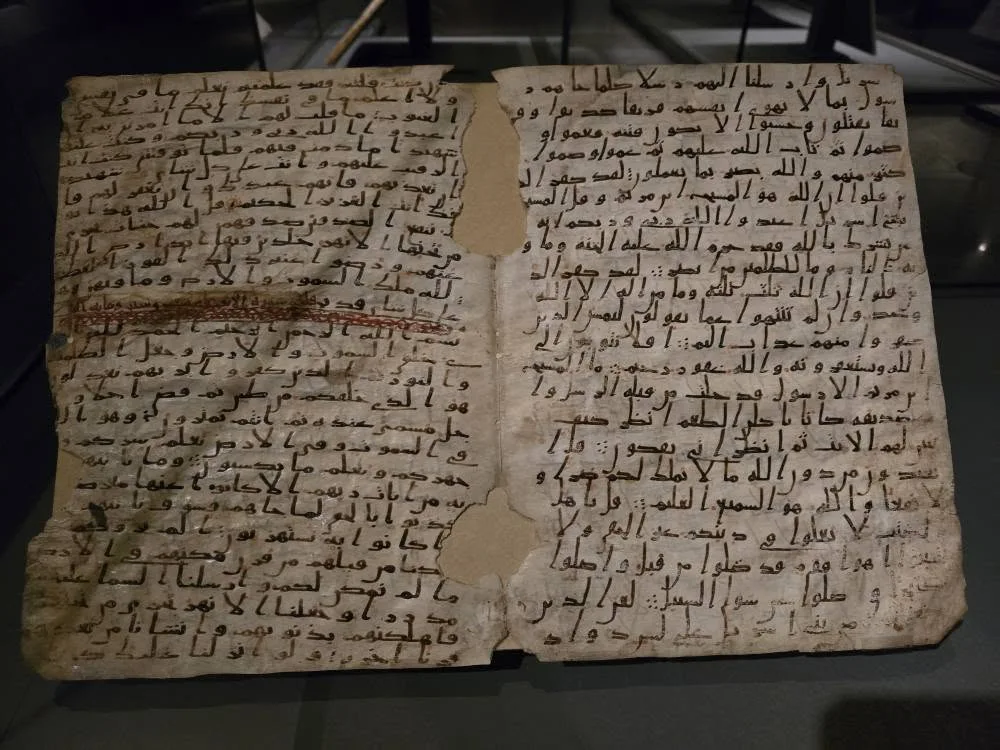
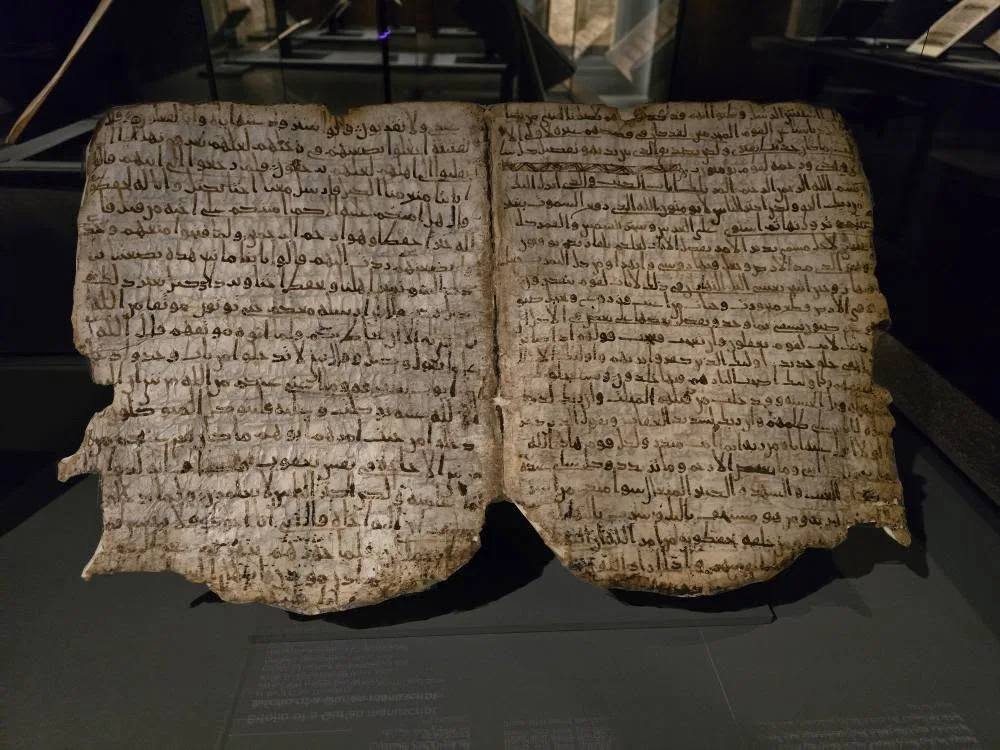
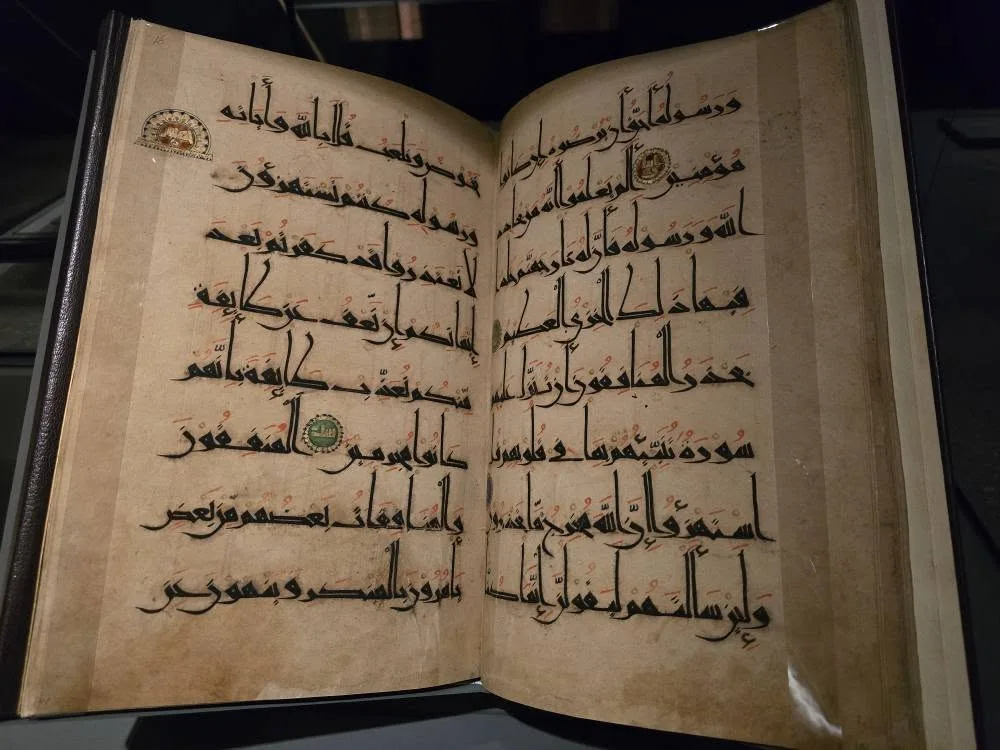
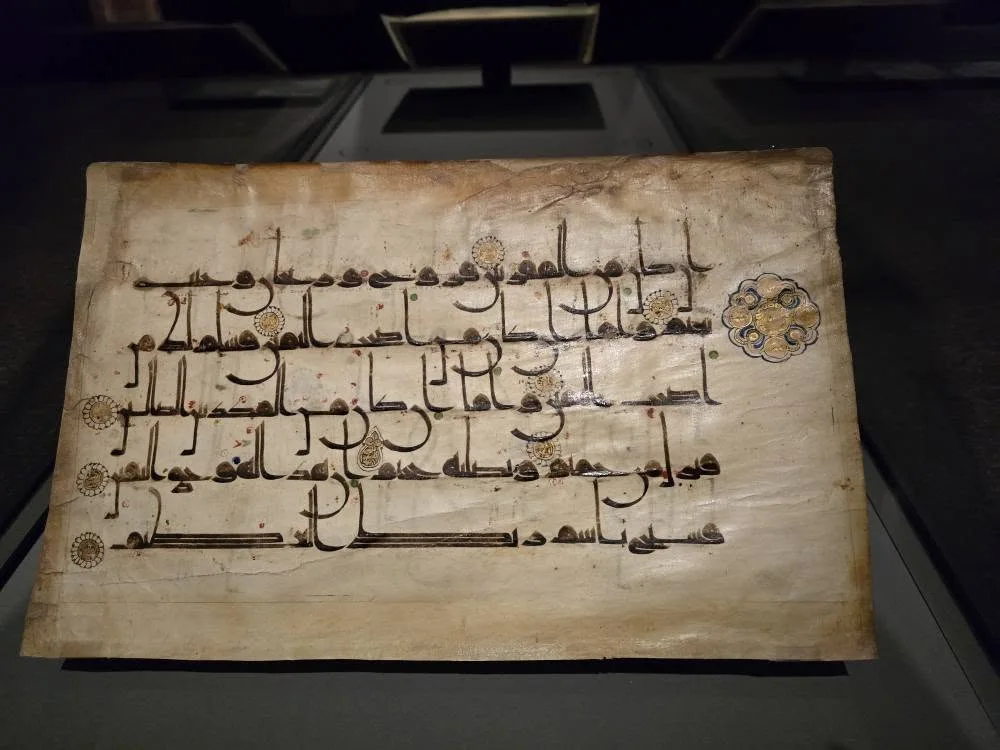
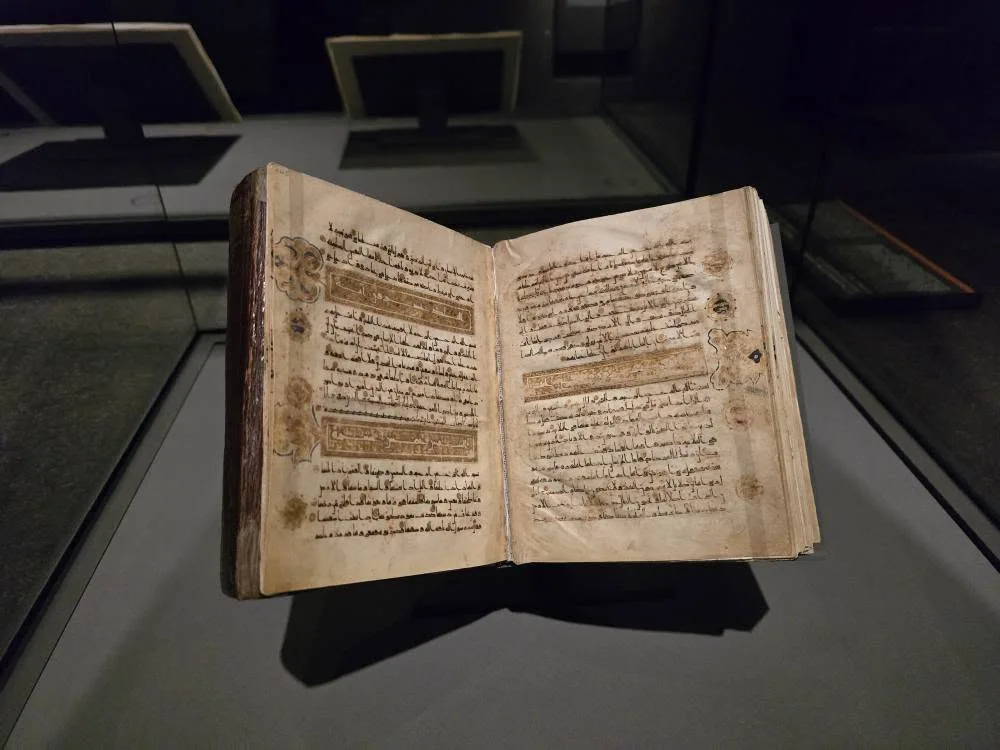
At the Museum of Islamic Art, I looked at Qur’ans from different places and periods, along with other manuscripts and scrolls. My notes also mention Bukhari and fragments from al-Andalus.
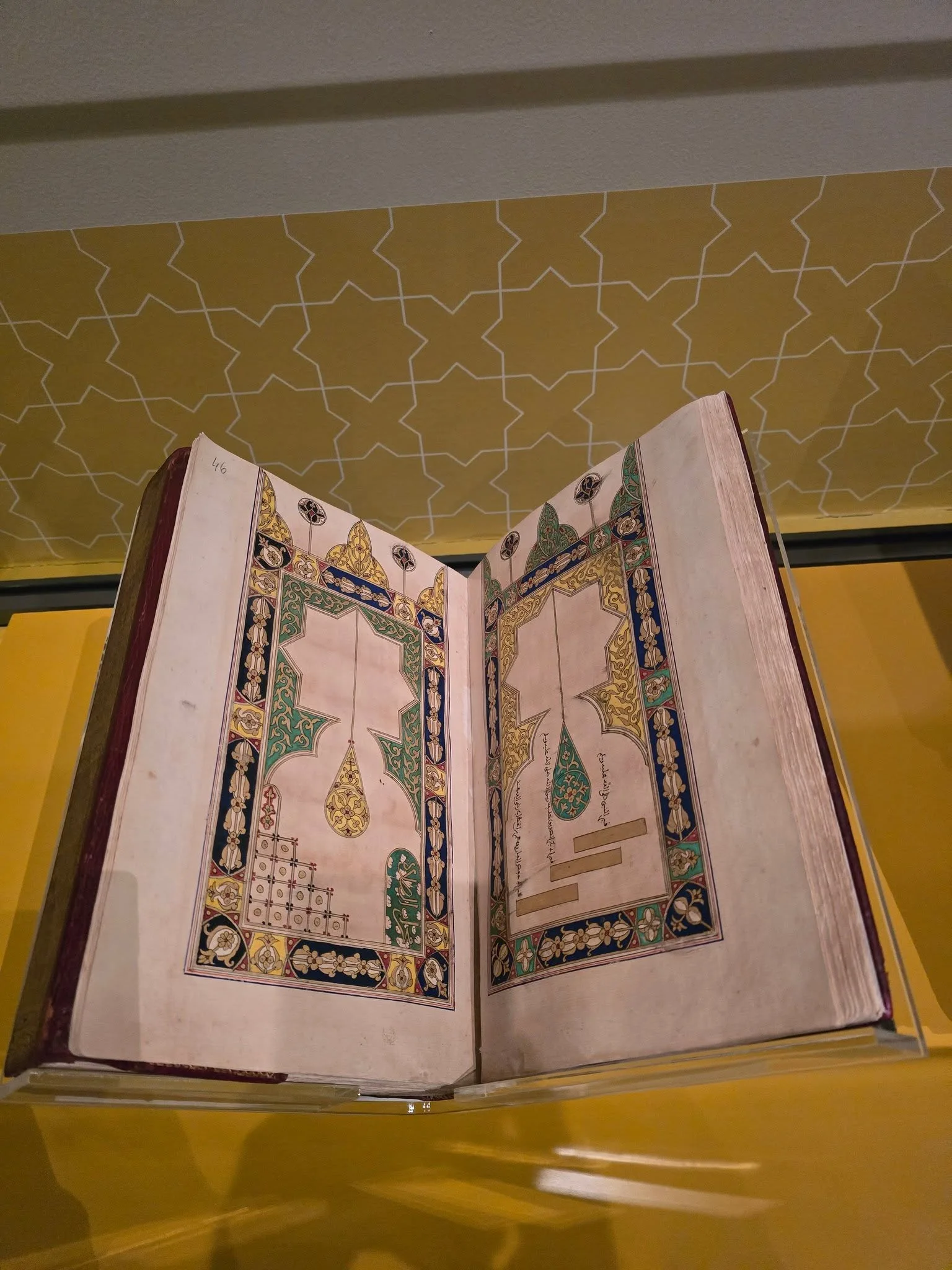
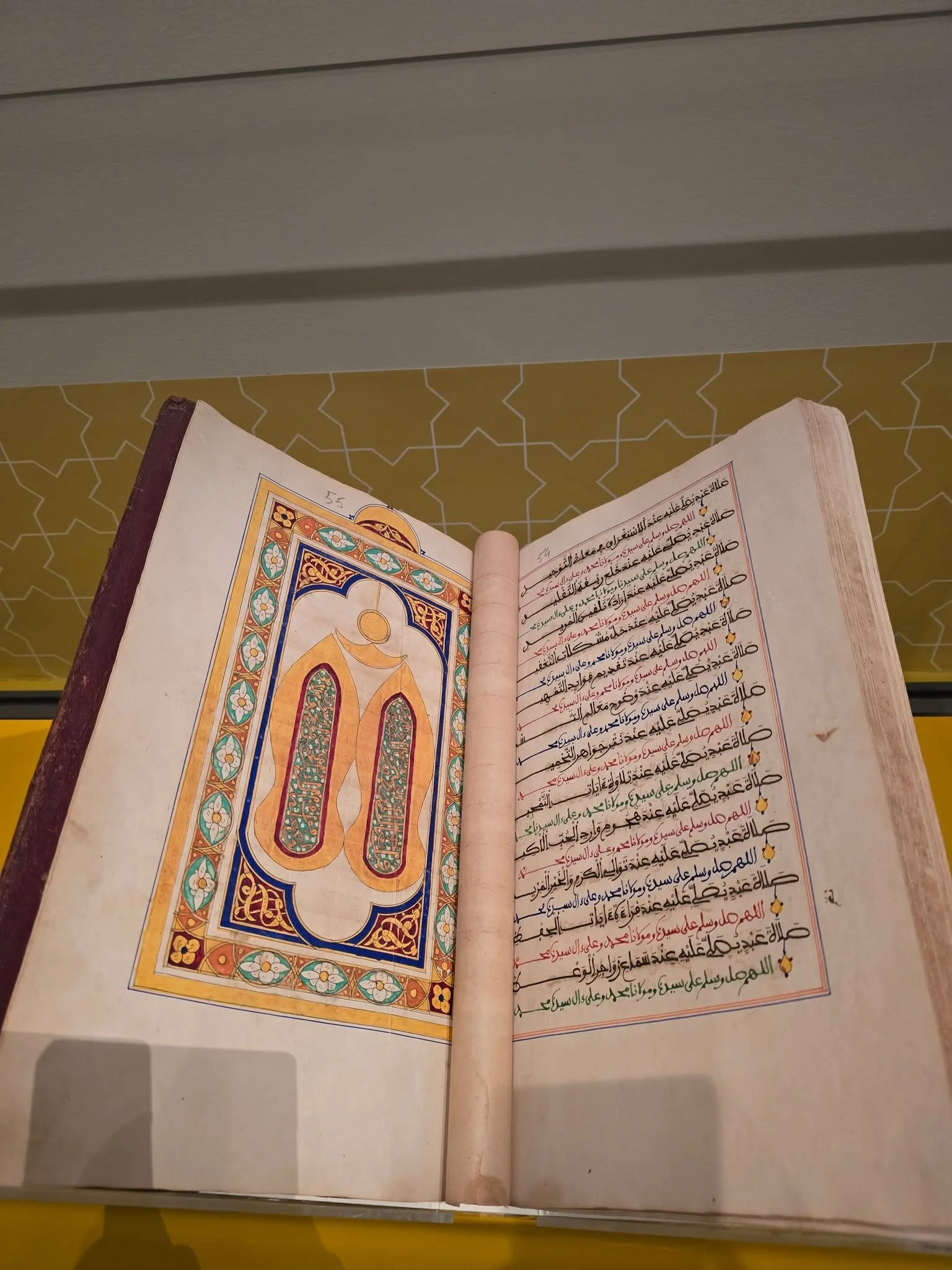
The manuscript photographs show how varied the pages were. Some have broad, angular writing and sparse ornament; others combine flowing lines of script with gold roundels, coloured marks and elaborate borders. Worn edges and missing areas remain visible in several of the older-looking fragments.
Two richly decorated openings bring in another layer of colour: green and blue borders, tiny illustrations and calligraphy in several colours. Seen together, these pages made the manuscript displays a substantial part of the visit.
Museum of Islamic Art: gold and calligraphy
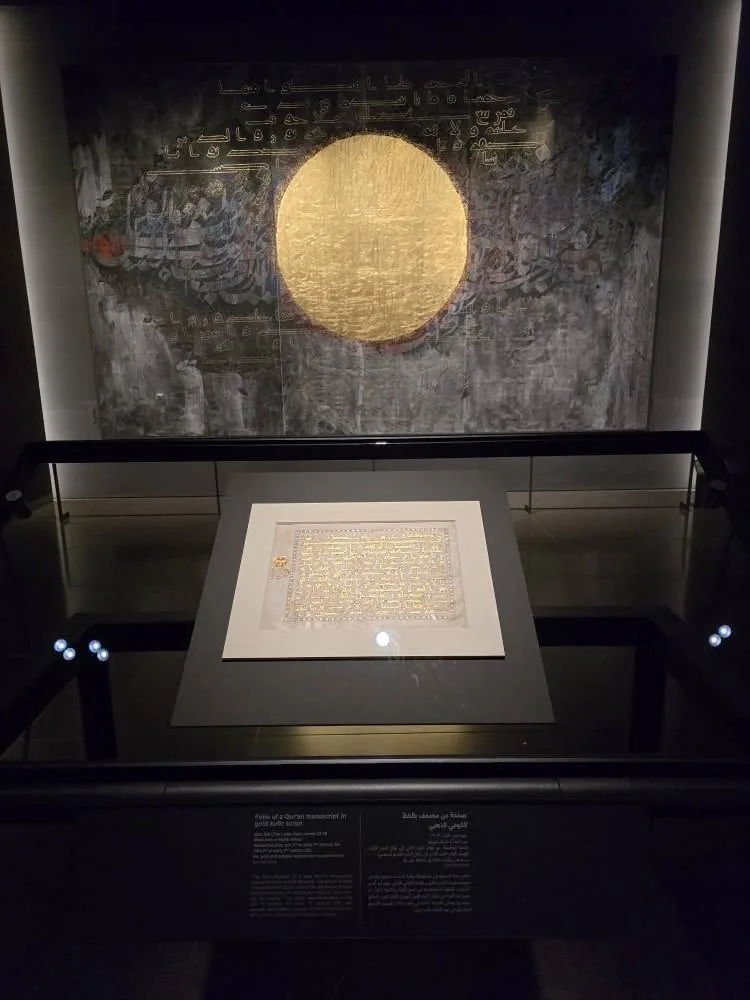
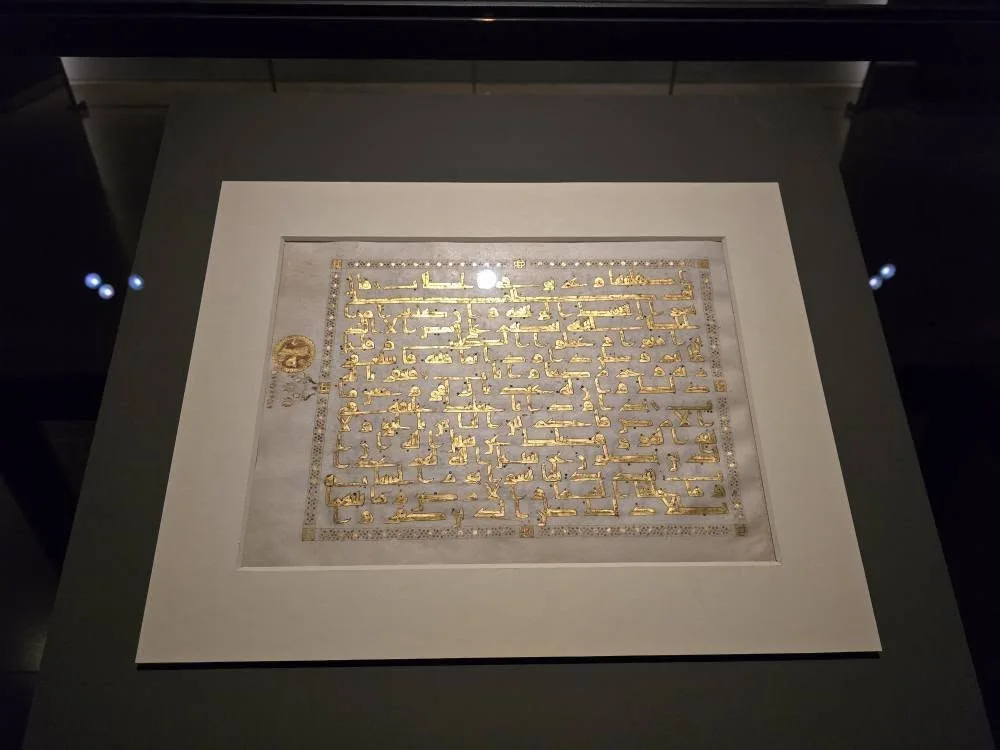
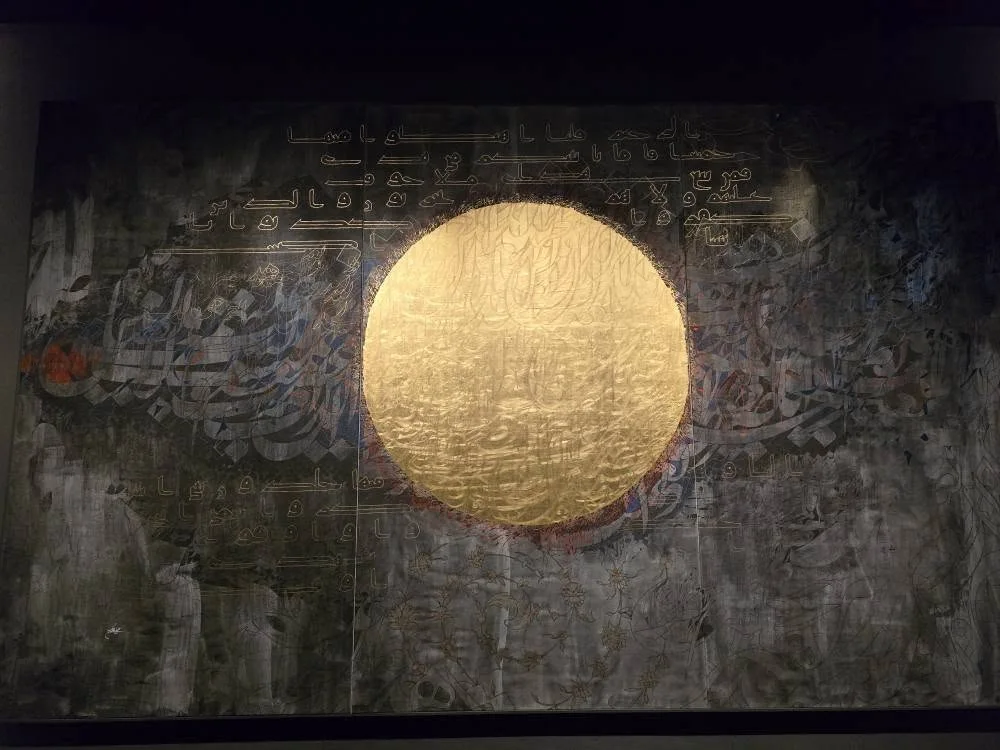
Calligraphy also appeared beyond the book openings. A large circular gold work occupied the wall, while a manuscript display below repeated the gold tones at a much smaller scale.
The closer photographs bring out the contrast between the circular composition and the dense lines of writing on the gold-coloured folio.
Museum of Islamic Art: textiles and carved stone
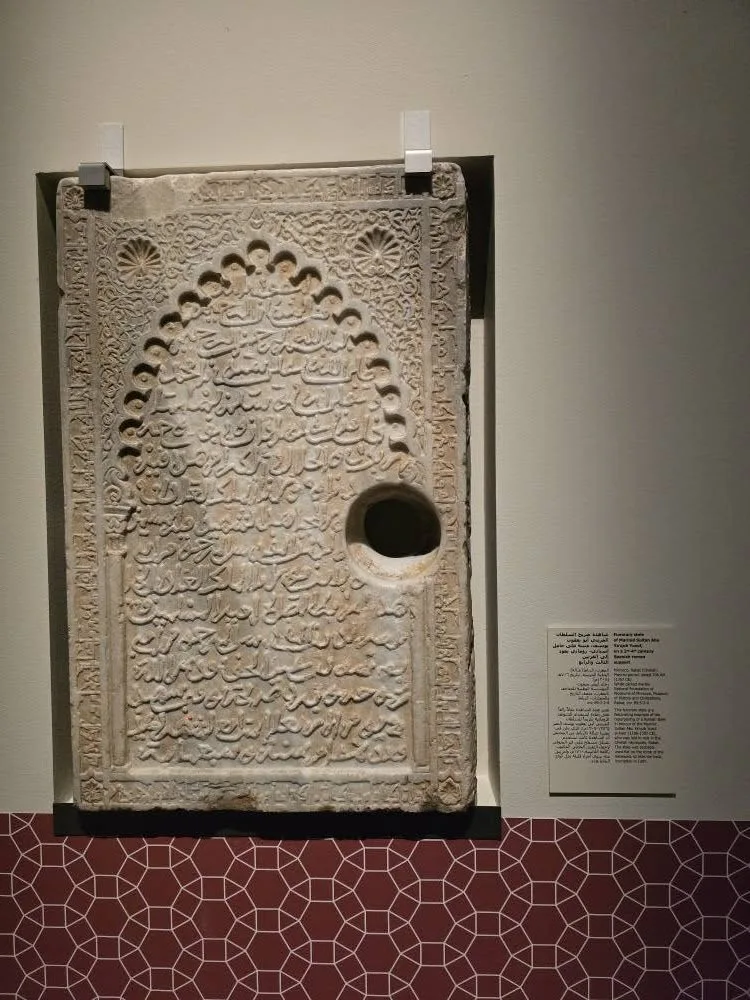
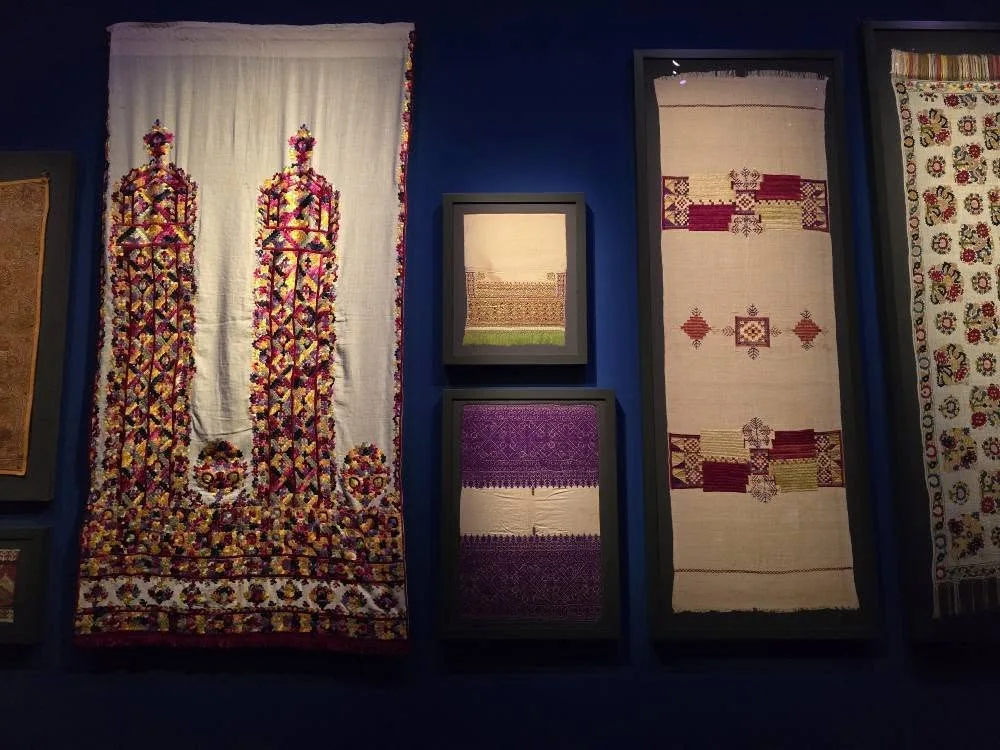
The museum visit also included objects whose patterns were worked into fabric and stone. Hanging textiles carried bands of embroidery, while a rectangular stone panel held a carved inscription.
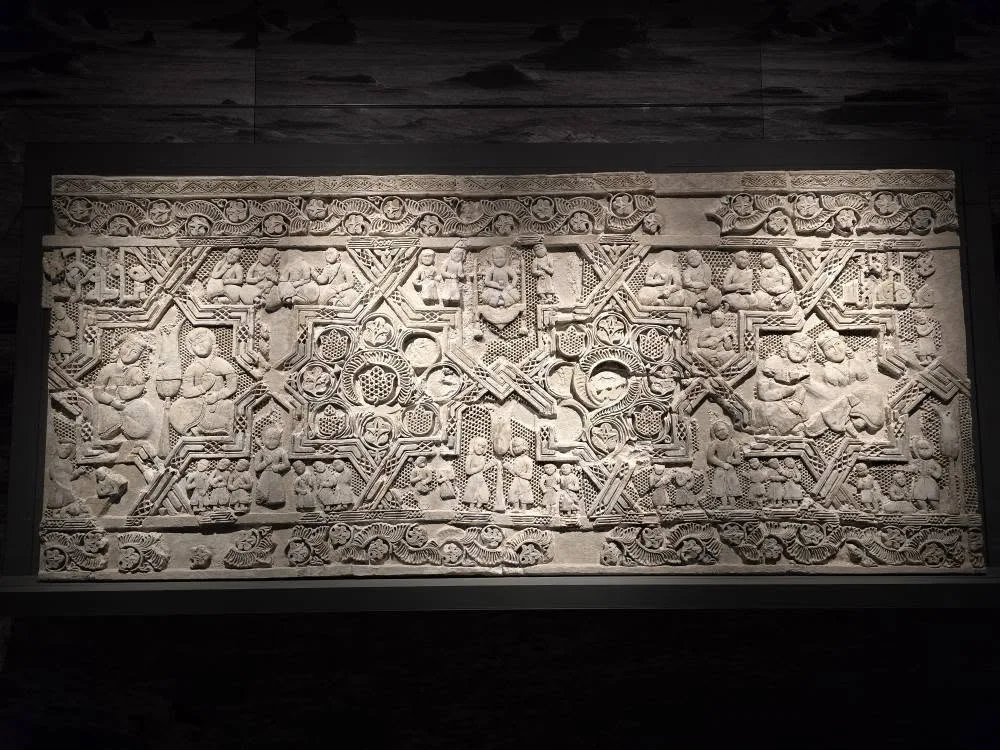
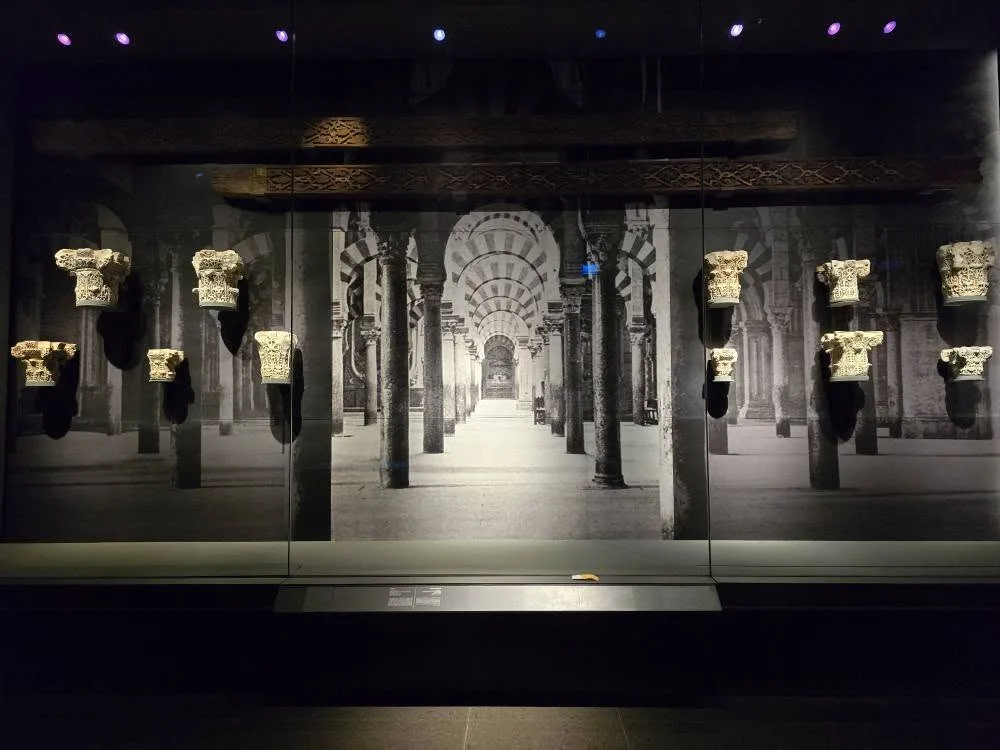
Another relief was filled with figures and animals. Architectural capitals, shown against a photograph of an arched interior, brought the display back to the shapes and details of buildings.
Doha Metro
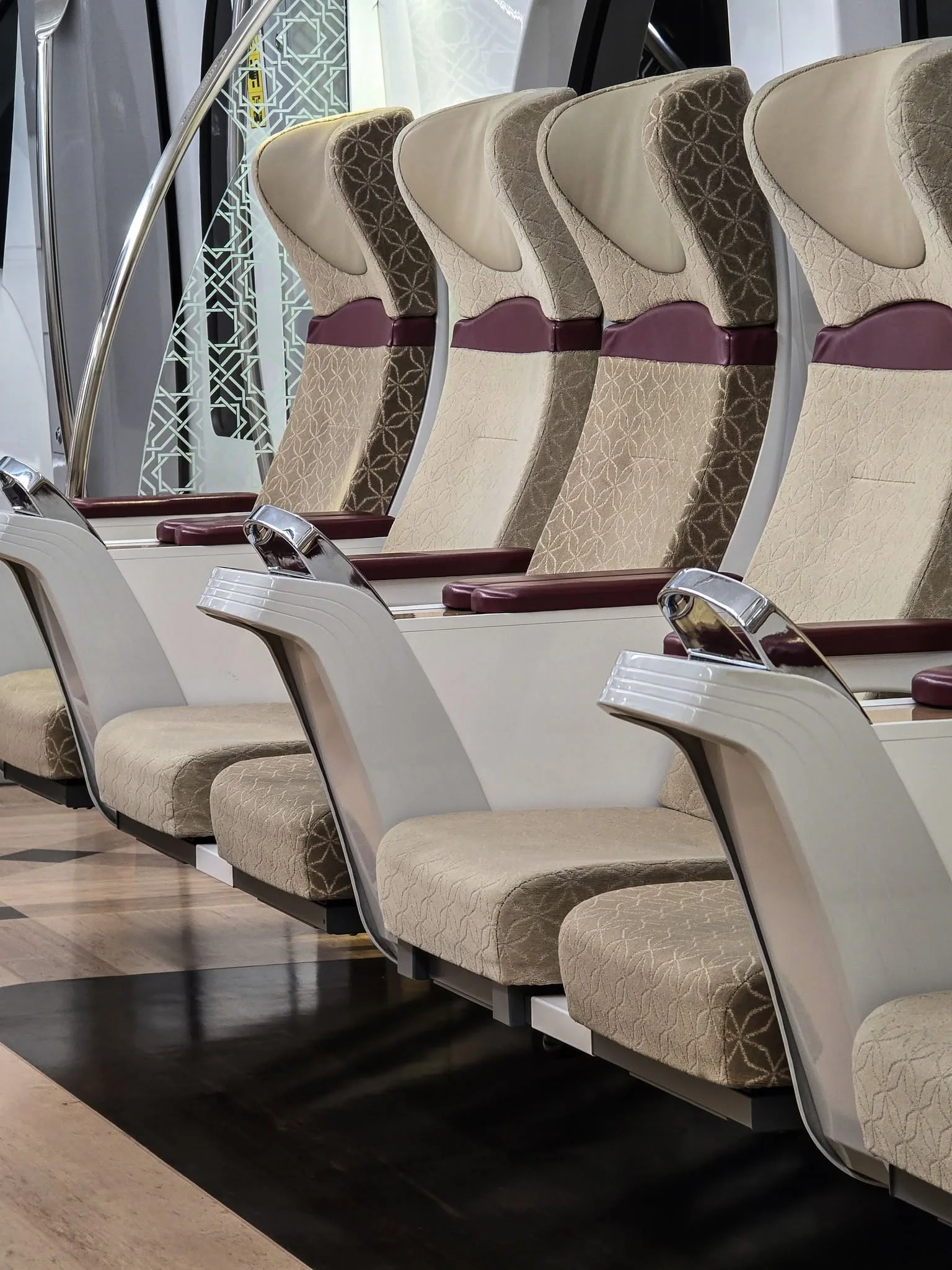
These were among the most beautiful metro stations I had seen. The Gold Class cabins even had upholstered seats and cup holders, which seemed excessive for a daily commute.
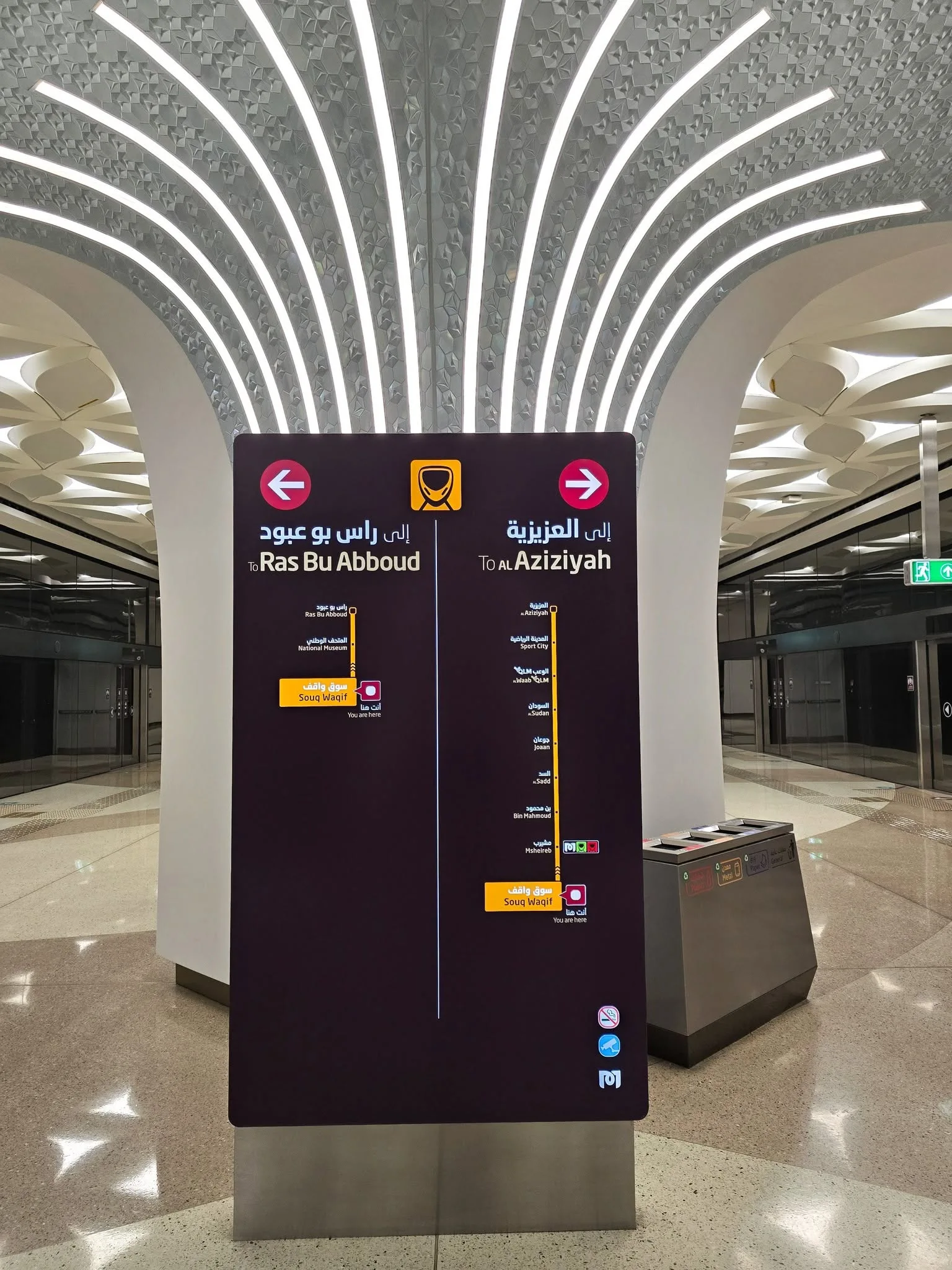
The practical side left me less impressed. I found the overhead wayfinding harder to follow than the systems I knew elsewhere in Asia, the shops sparse, and the station locations inconvenient for my journeys.
Banyan Tree Doha: the room
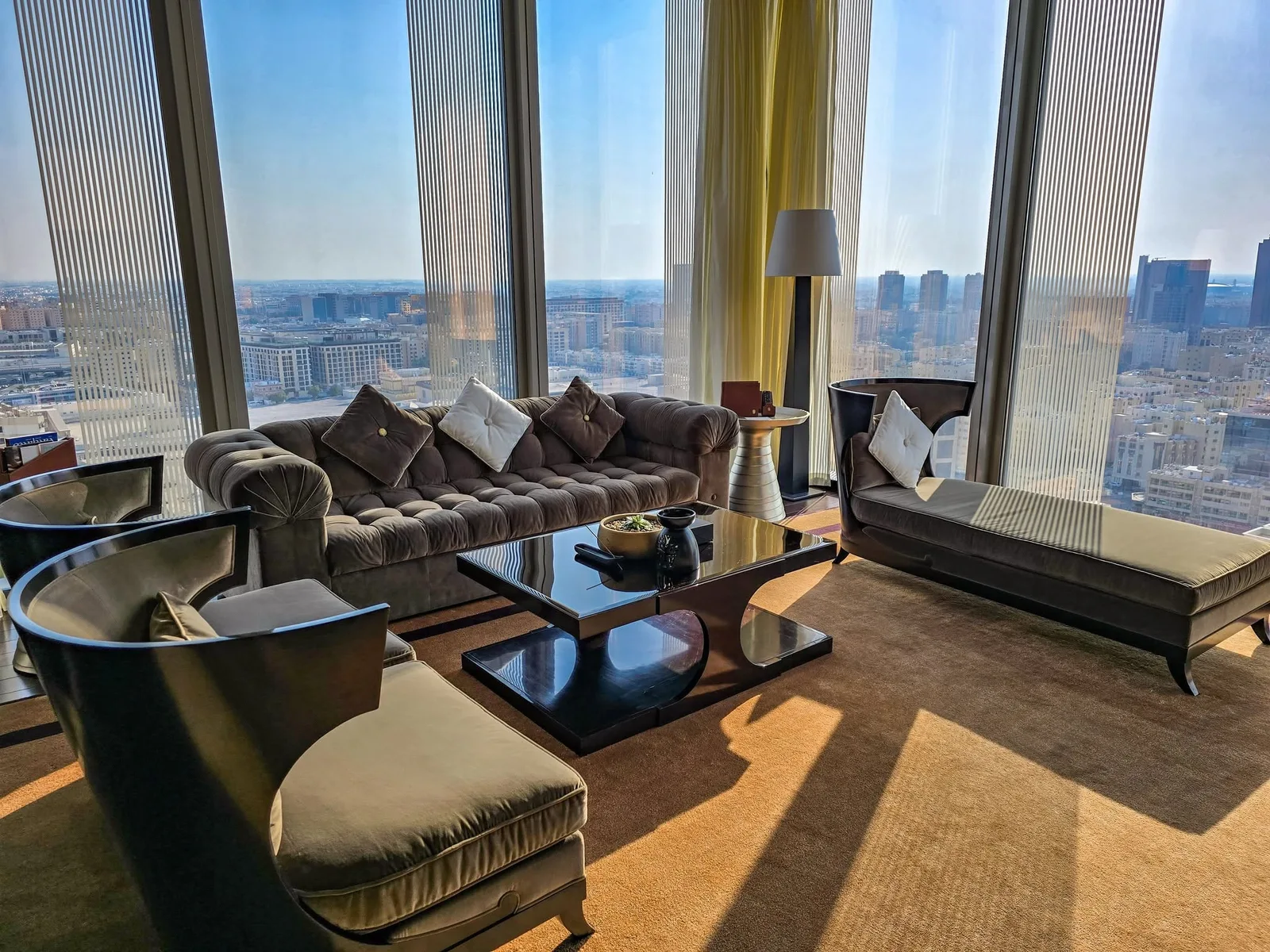
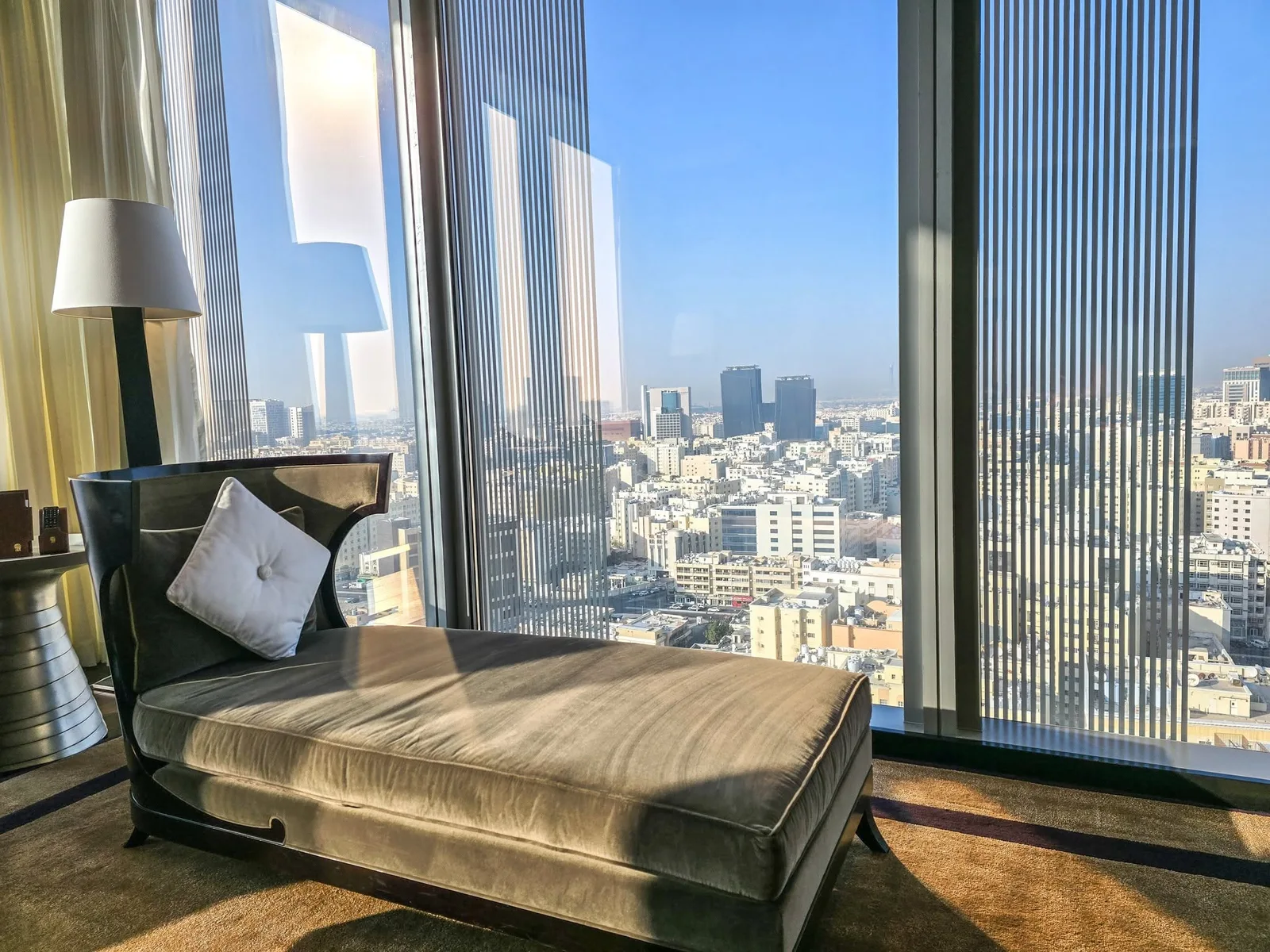
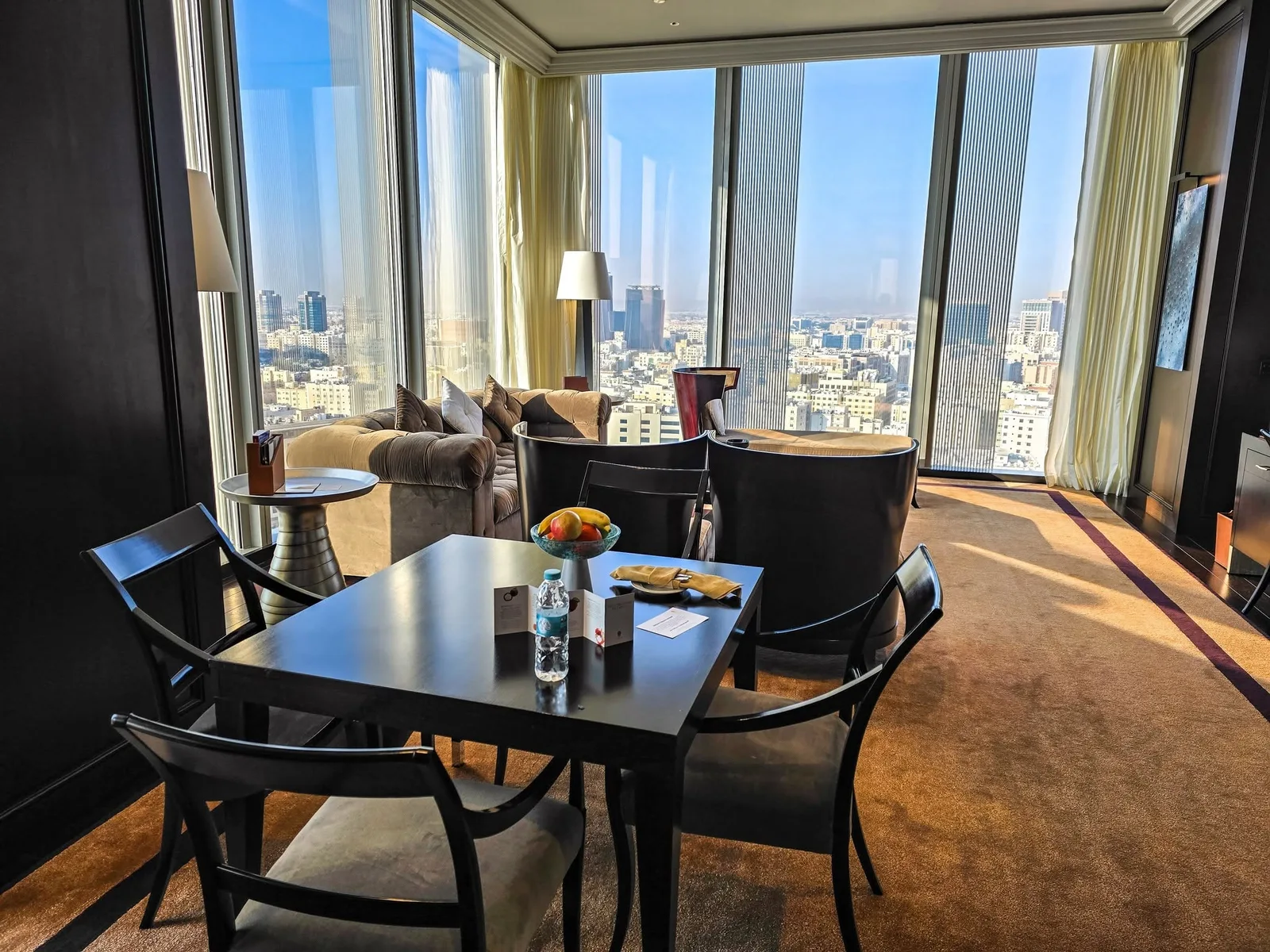
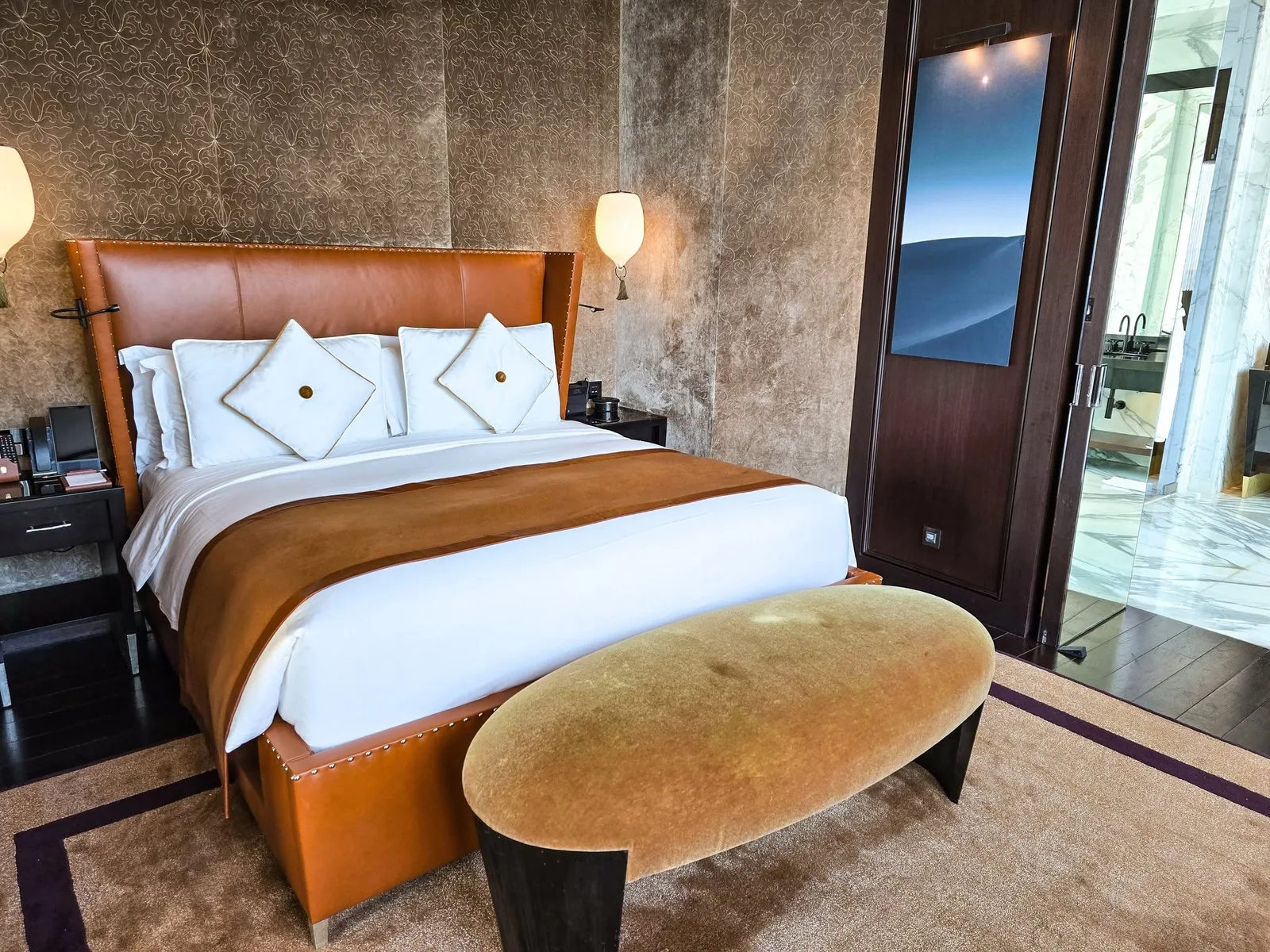
Banyan Tree Doha felt extravagantly generous. My room had a sitting area beside tall windows and, to my astonishment, two toilets. I could not quite see why I needed both.
The photographs show the sitting area from several angles, including the chaise beside the windows and a dining table beyond the sofa. The bedroom continued the same spacious feeling, with the city visible through the glass.
Il Galante: a generous breakfast
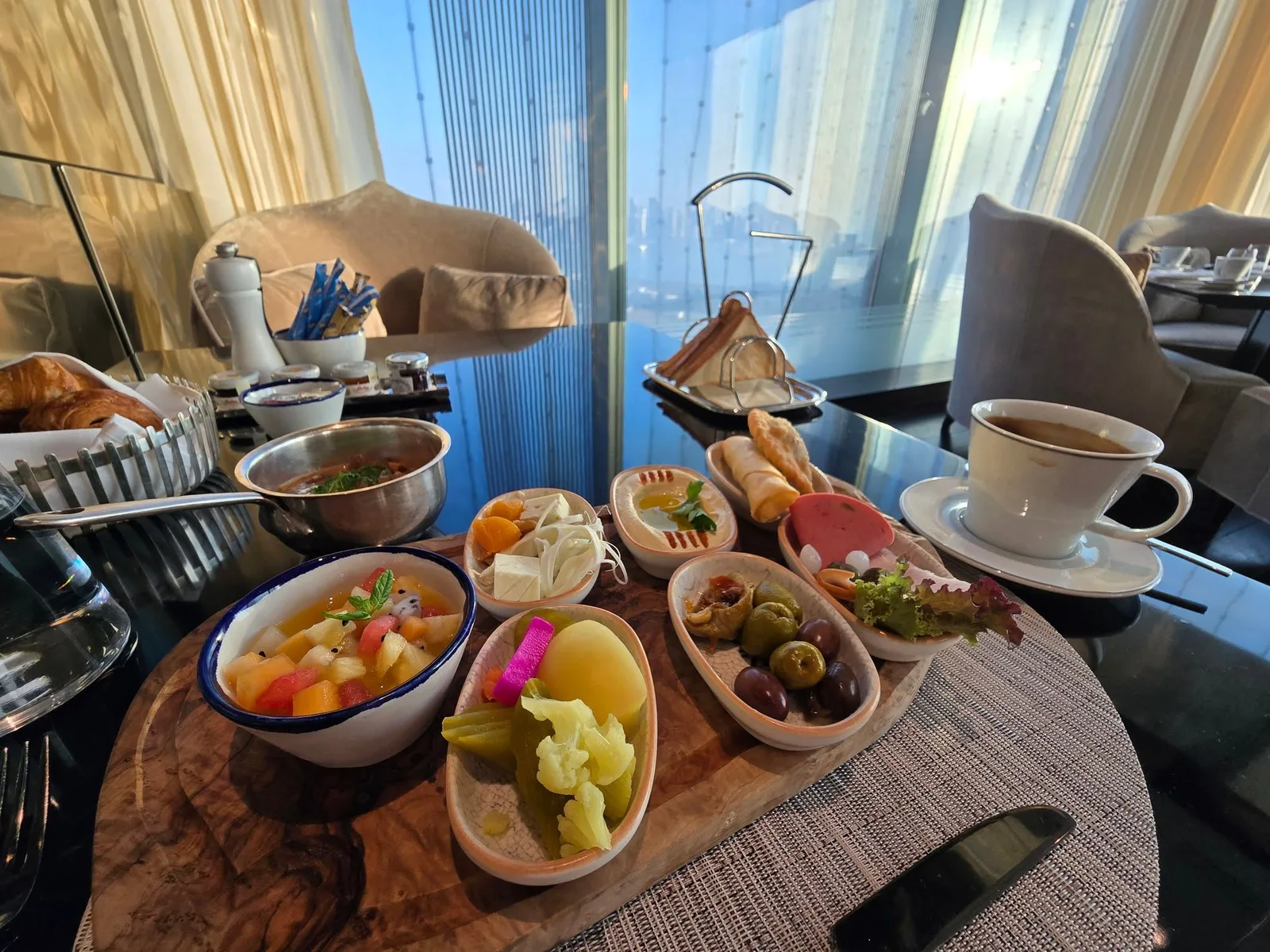
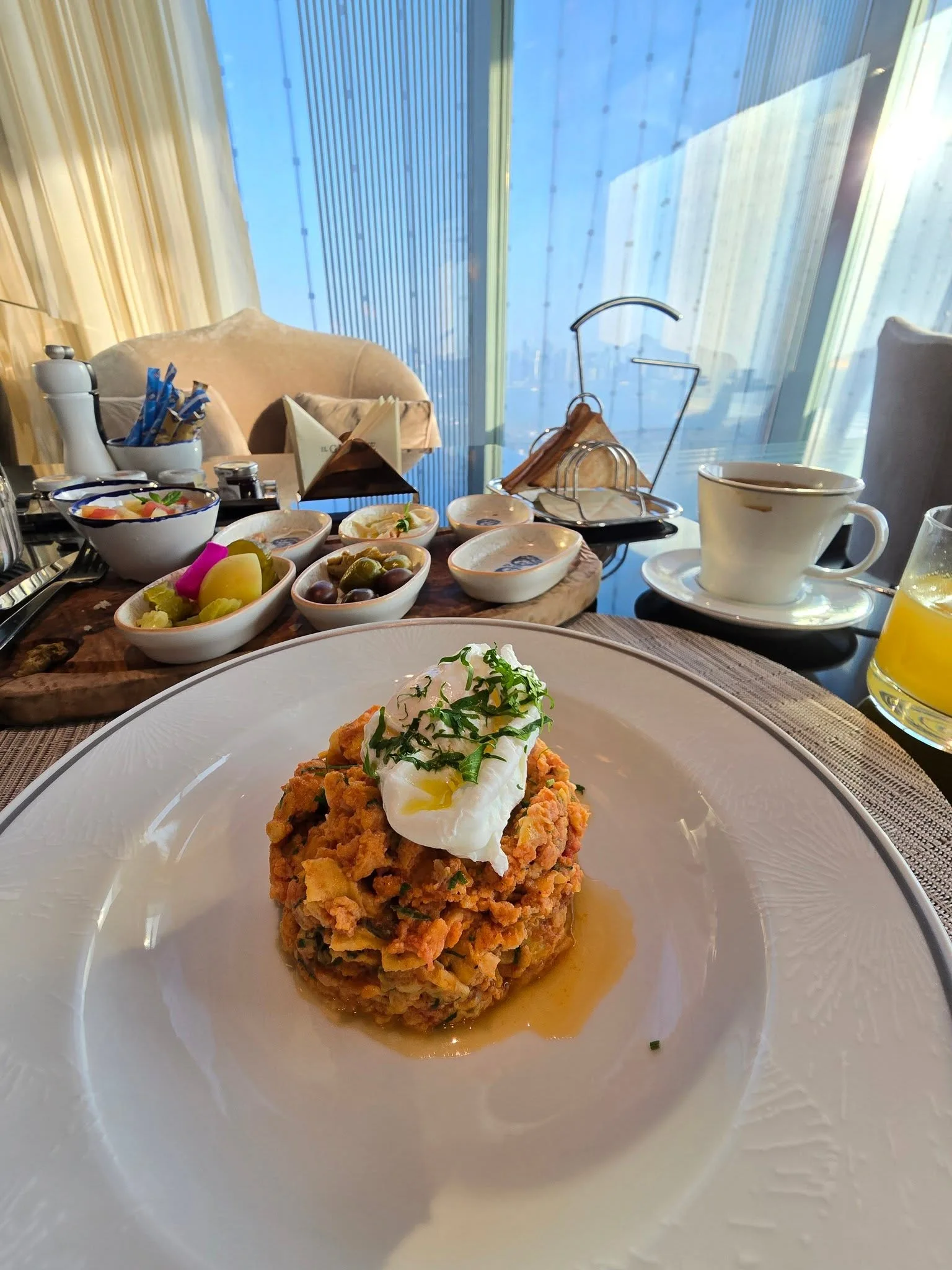
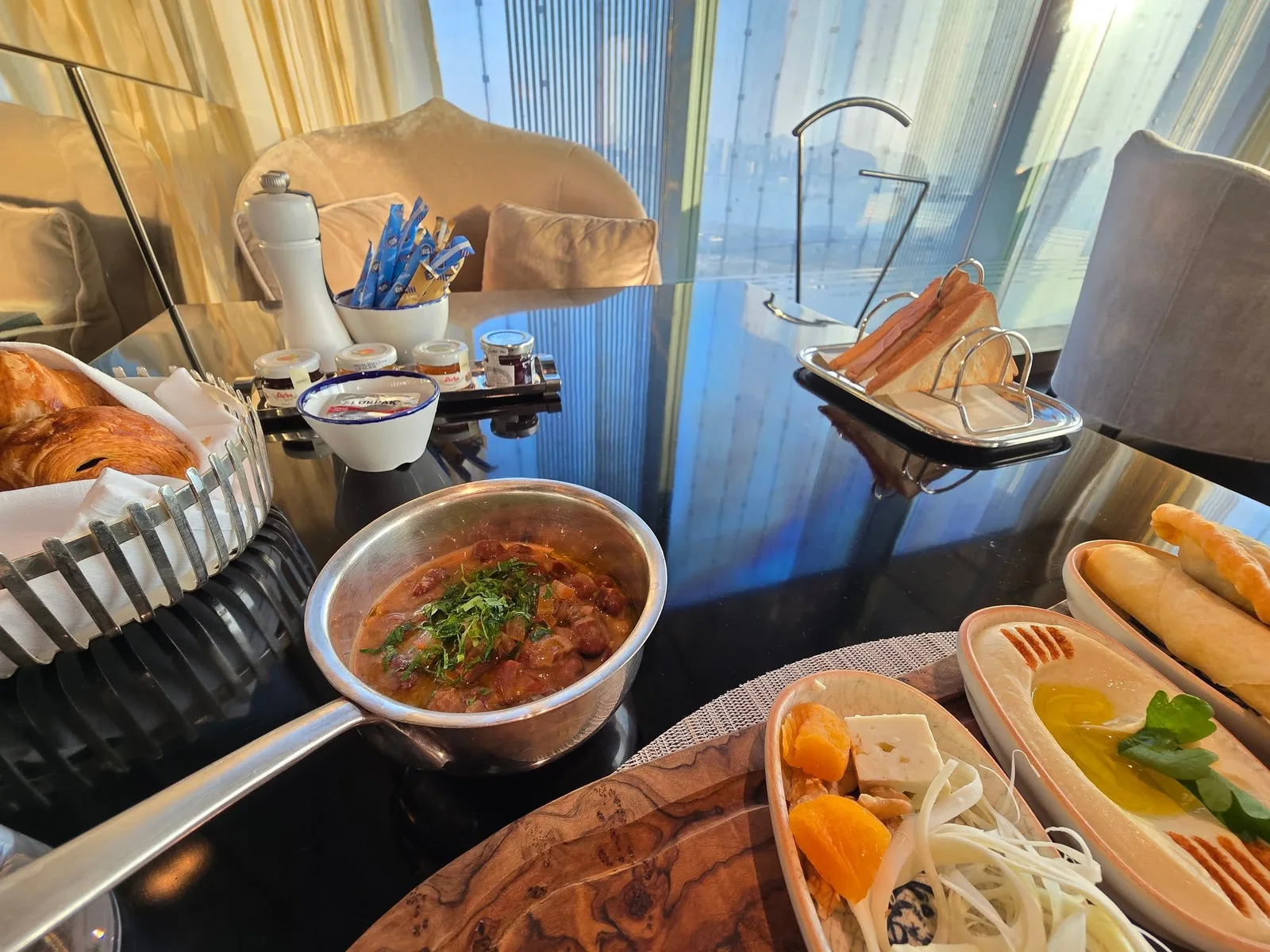
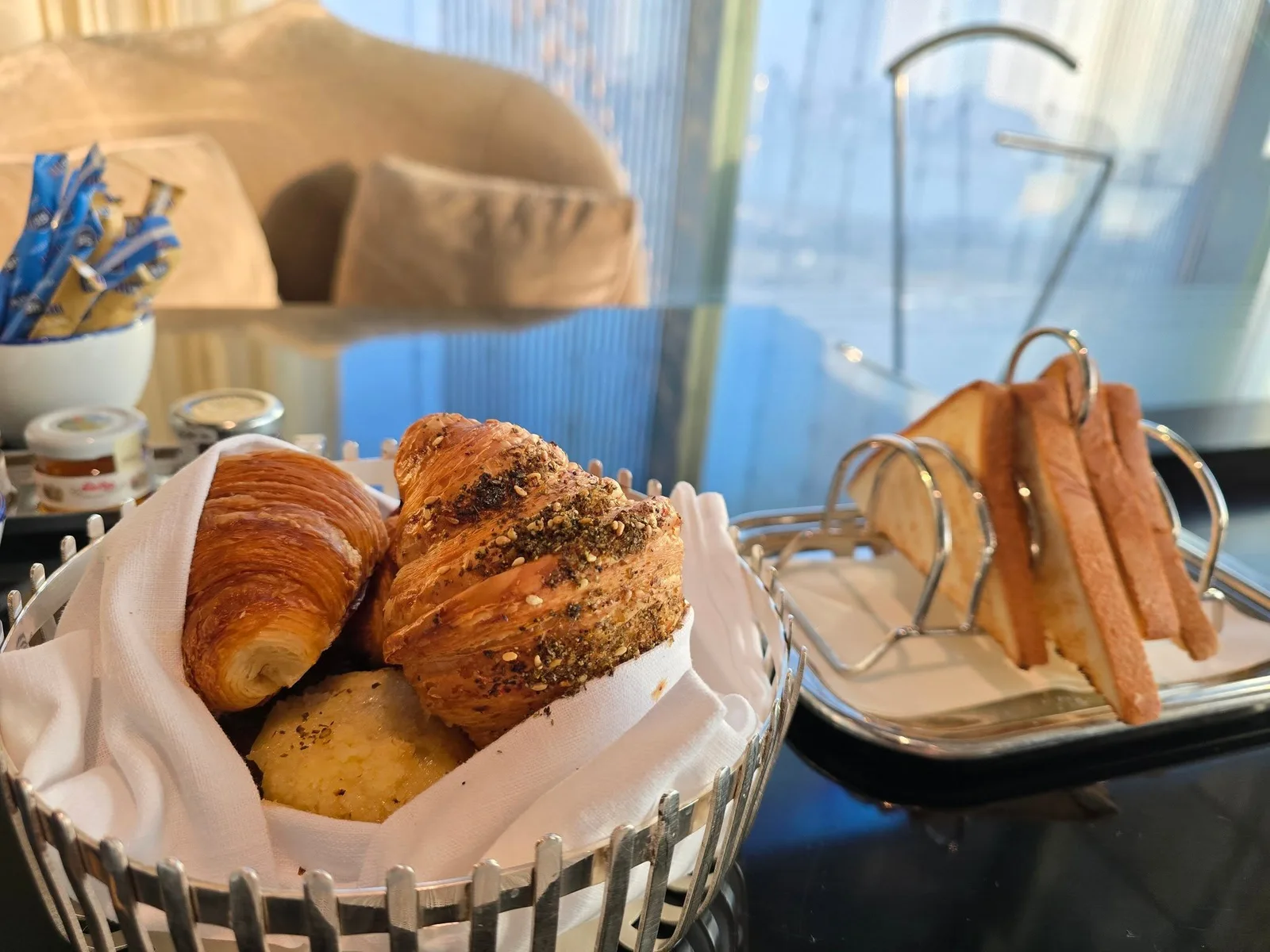
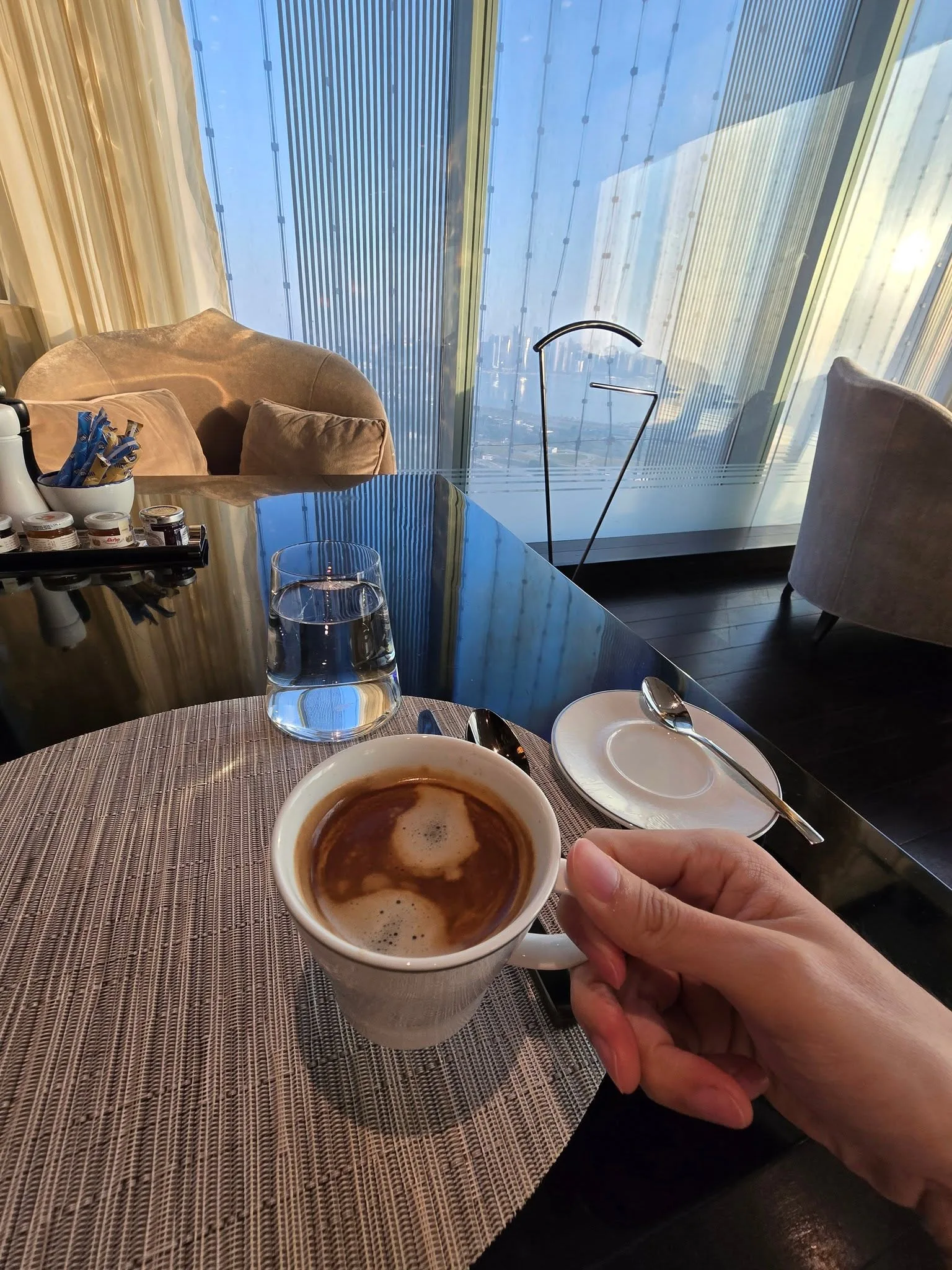
Il Galante, one of the hotel’s restaurants, continued the theme at breakfast. There were pastries, fruit, cheese, olives, toast and coffee spread across the table. I thought the breakfast was quite decent, and it was so filling that I did not need to eat for the rest of the day.
The closer photographs pick out a plated egg dish, a small pan of beans, the basket of croissants and the toast rack. Even the coffee had its own photograph against the bright window view.
Banyan Tree Doha: Qalamkarri
Qalamkarri, the hotel’s Indian restaurant, was the meal I was most enthusiastic about. At the time, I called it the best Indian food I had had so far.
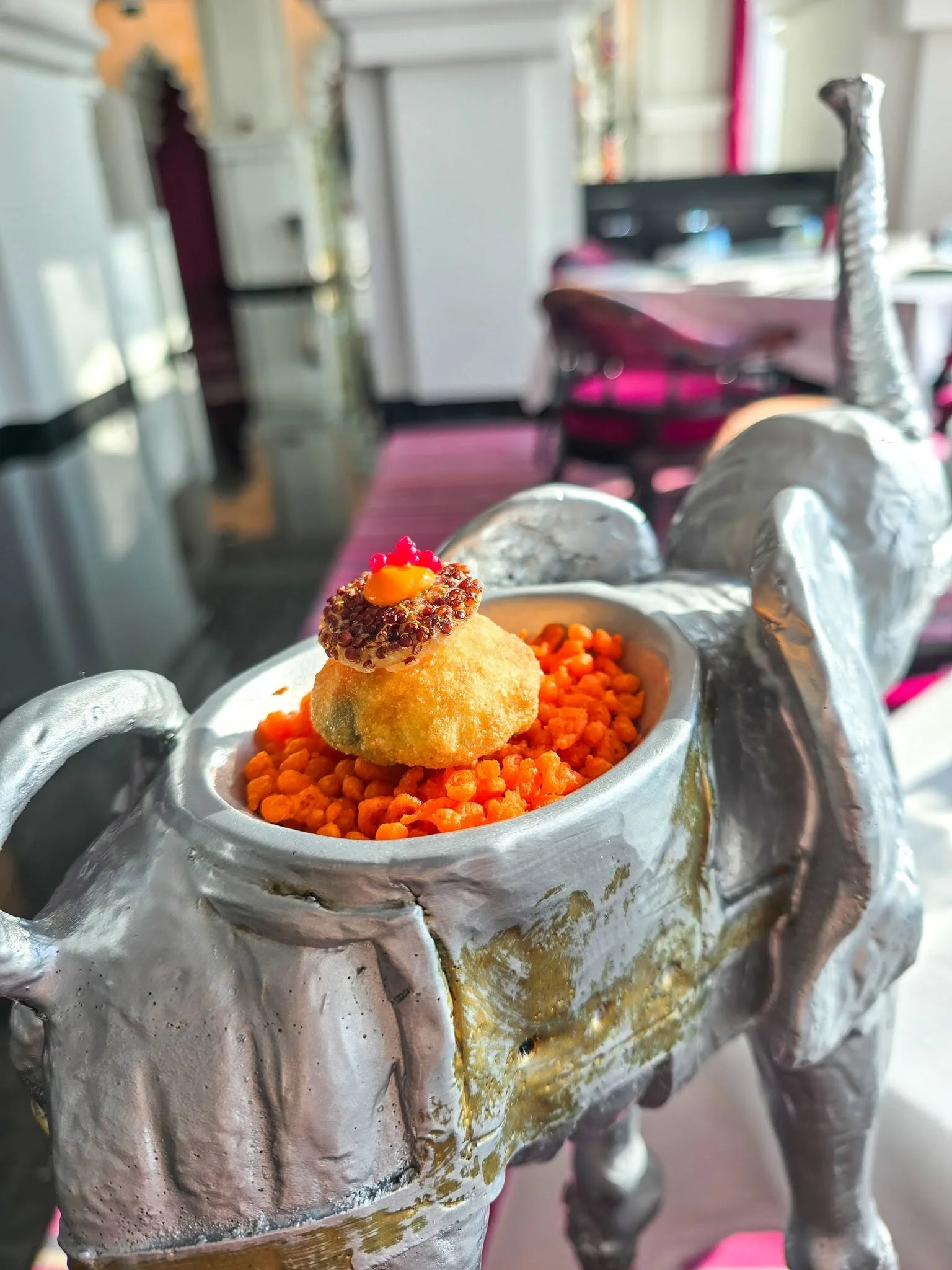
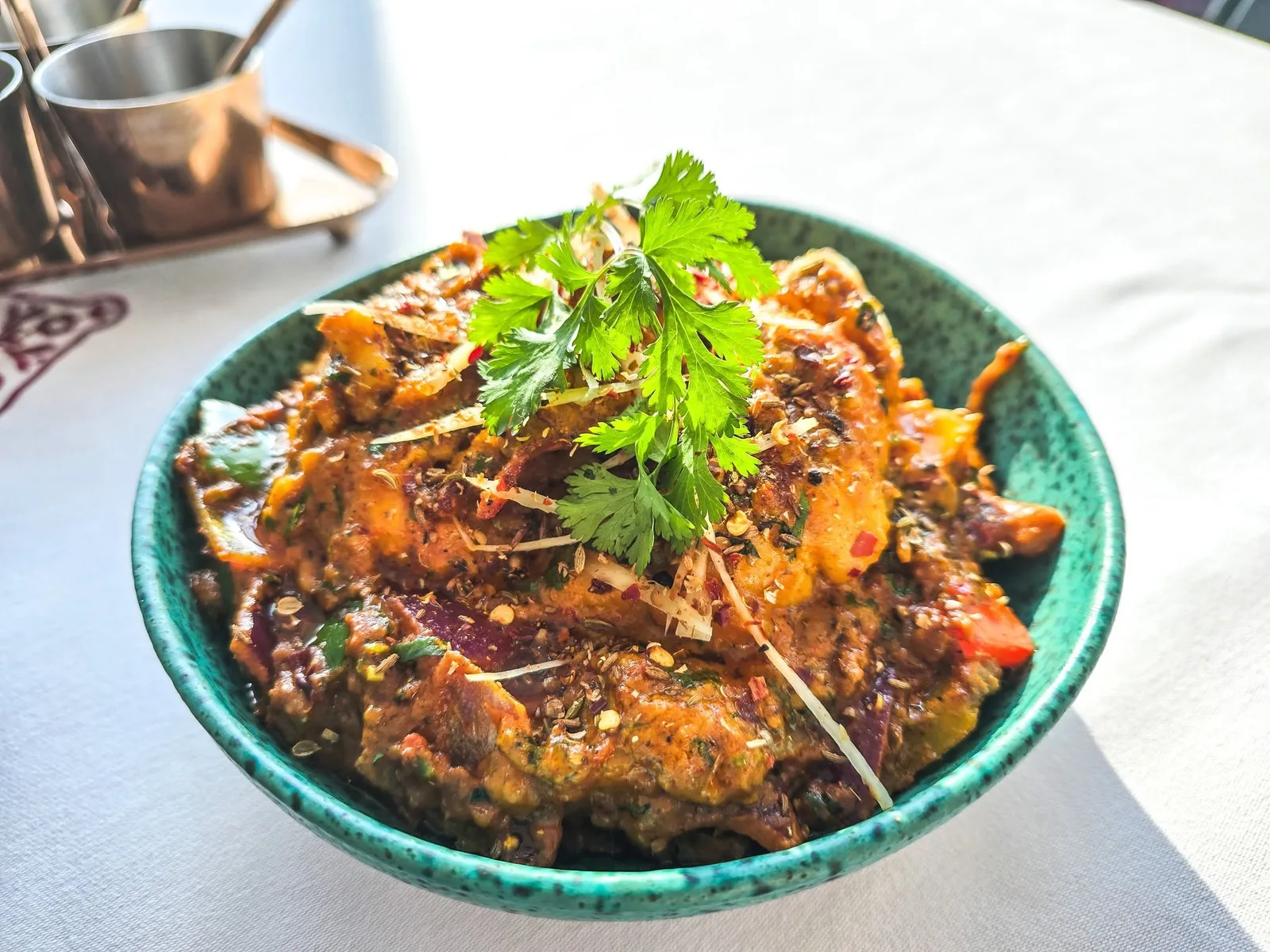
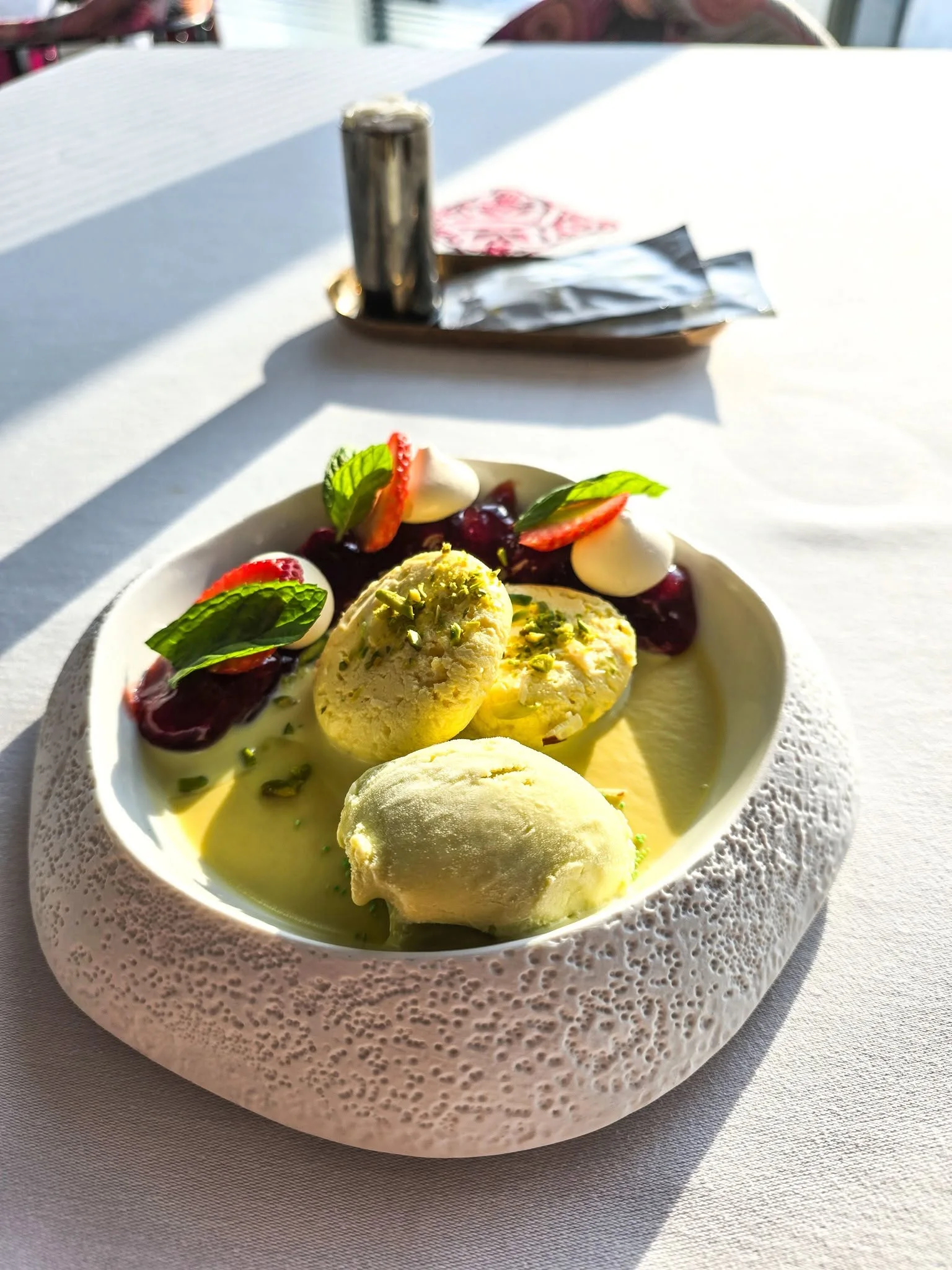
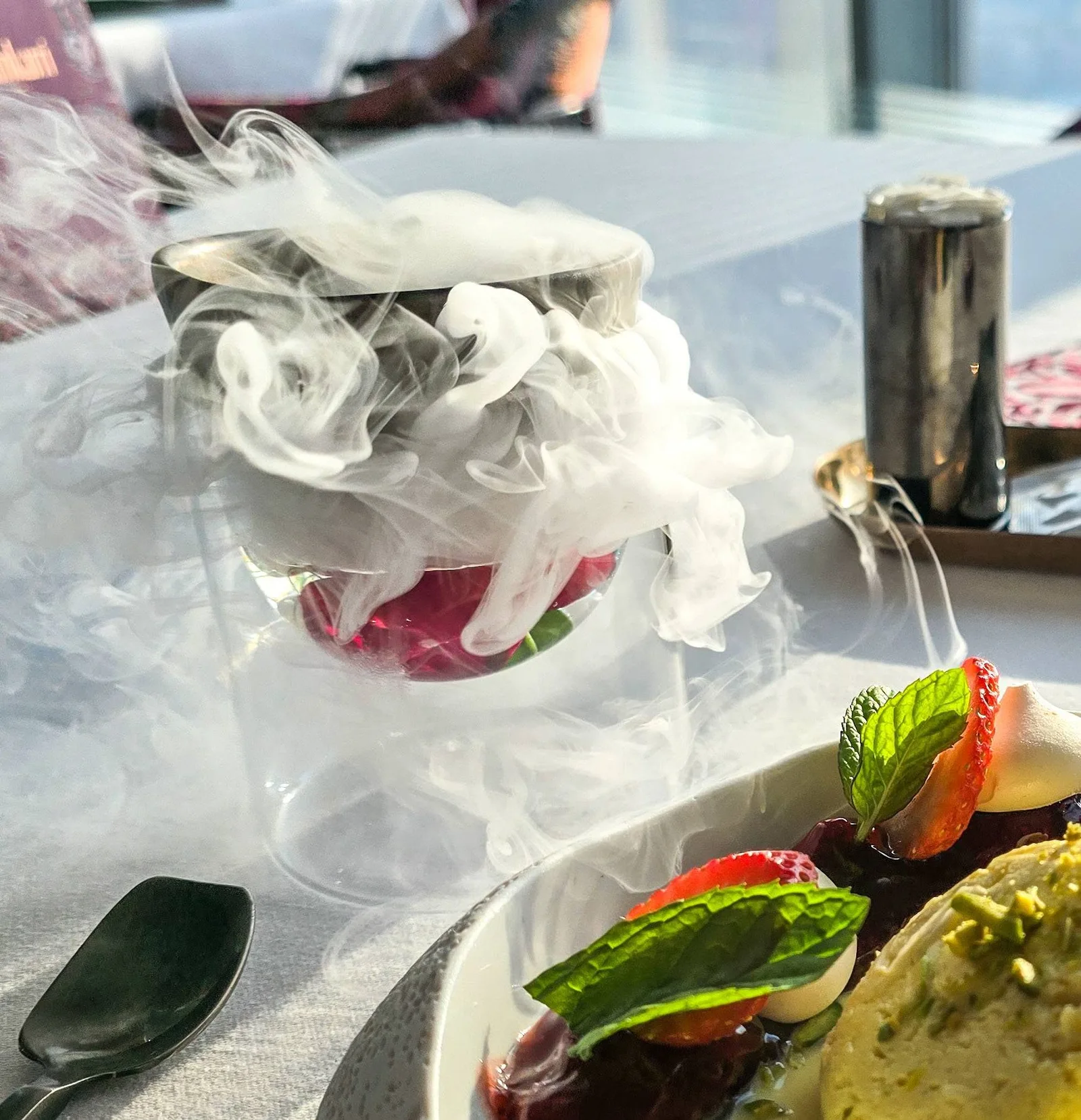
The amuse-bouche came on a tall elephant-shaped stand. Crackers and dips were excellent, even though I did not know exactly what all the dips were. There was lobster curry, garlic naan, rasmalai and ice cream with a theatrical cloud of vapour.
The presentation was as memorable as the food: the elephant stand, the green curry bowl and the vapour around the ice cream each became their own photograph.