China, from Beijing’s courtyards to Xi’an’s warriors
Beijing and Xi’an: imperial landmarks, mountain walls, evening streets and meals along the way.
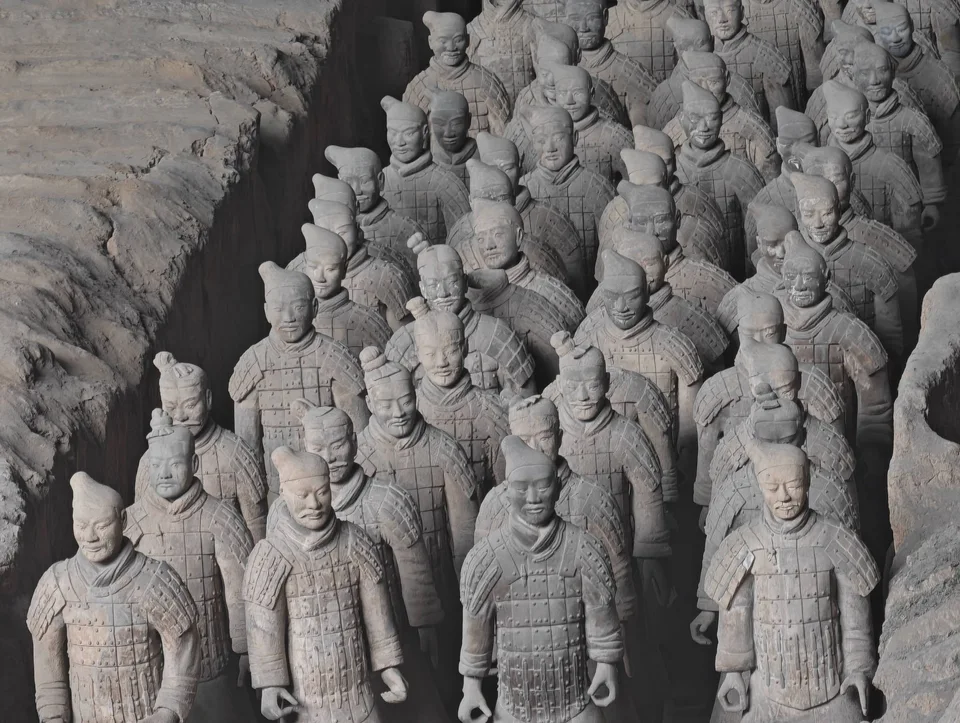
A wall crossing green hills, vast palace courtyards and an army made from clay: my China trip brought together places built on an extraordinary scale. At the terracotta warriors, it was the smallest details that stayed with me.
Beijing and Xi’an also had room for the everyday parts of travelling: airport halls, a train seat and something carefully arranged on a plate.
Daxing International Airport
Daxing’s white roof supports spread out like branches beneath bands of skylights. The terminal made a striking introduction to the buildings in my Beijing album.
Forbidden City, Beijing
The Forbidden City was the imperial palace of the Ming and Qing dynasties. Gold-tiled roofs, broad courtyards and white balustrades make its scale apparent long before any individual detail comes into view.
Temple of Heaven, Beijing
At the Temple of Heaven, circular tiers of blue roof rise above painted eaves and white terraces. Ming and Qing emperors came here to offer sacrifices to heaven and pray for good harvests.
Mutianyu Great Wall
At Mutianyu, the wall climbs and dips across forested ridges. Stone steps lead between watchtowers, and the wall narrows to a pale line as it follows the hills into the distance.
Terracotta Warriors Museum, Xi’an
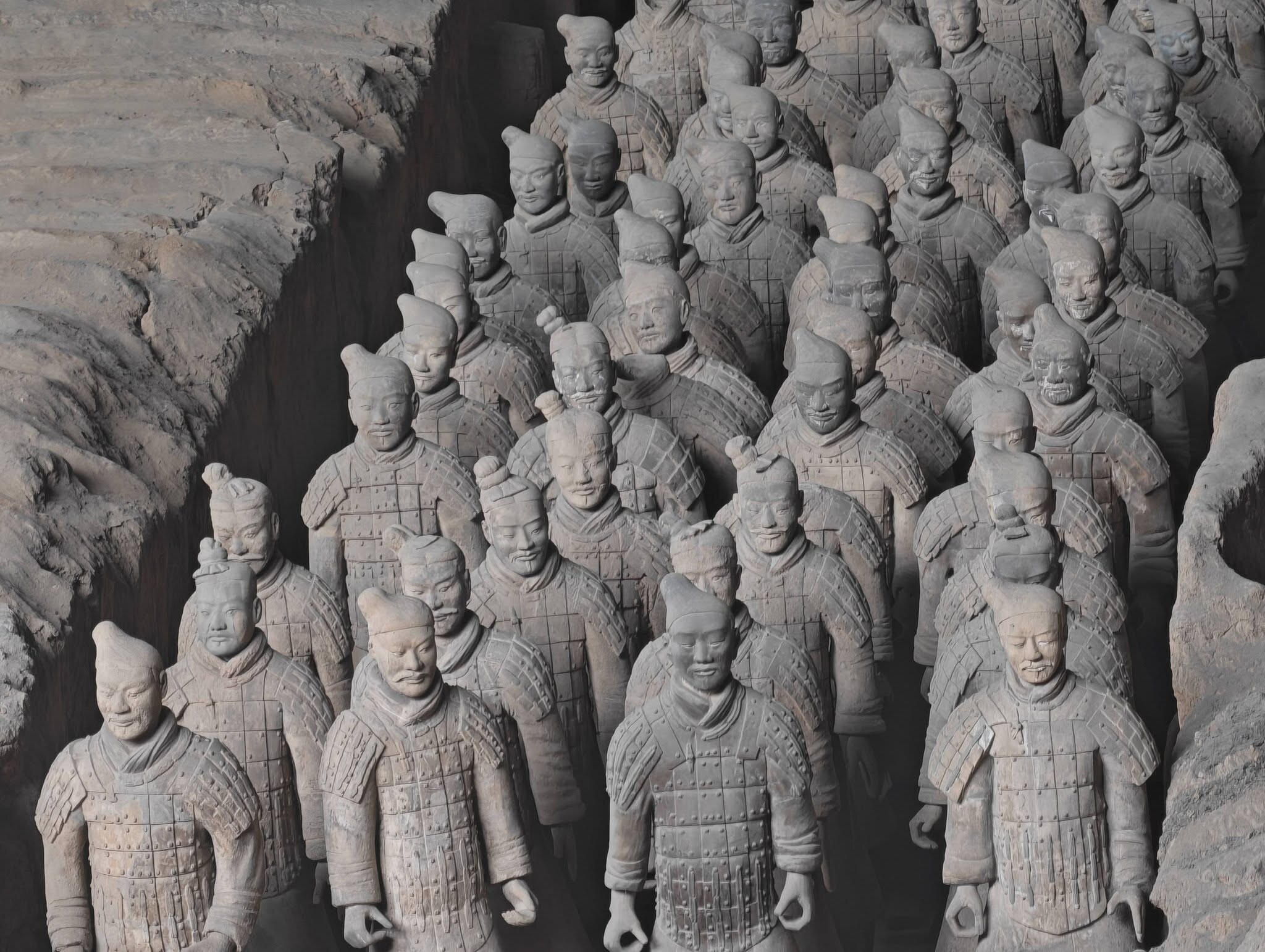
The terracotta warriors stand in rows, but their faces, hairstyles and armour make each figure worth examining. I called them “Probably one of the most spectacular creations.” The attention to individual detail was what struck me.
The warriors belong to the third-century-BCE mausoleum complex of Qin Shi Huang. They were originally painted, with colour applied over lacquer; the muted clay we see today is only part of their original appearance.
Muslim Quarter, Xi’an
Orange lights and illuminated shopfronts lined the crowded evening streets of the Muslim Quarter. The tightly packed lanes brought a different scale to Xi’an after the ranks of warriors.
Datang Everbright City, Xi’an
I labelled this part of the album “Wild Goose Pagoda Night Market,” at Datang Everbright City. It included a daylight stop outside a pastry shop, with large red signs and a counter full of packaged sweets.
China meals
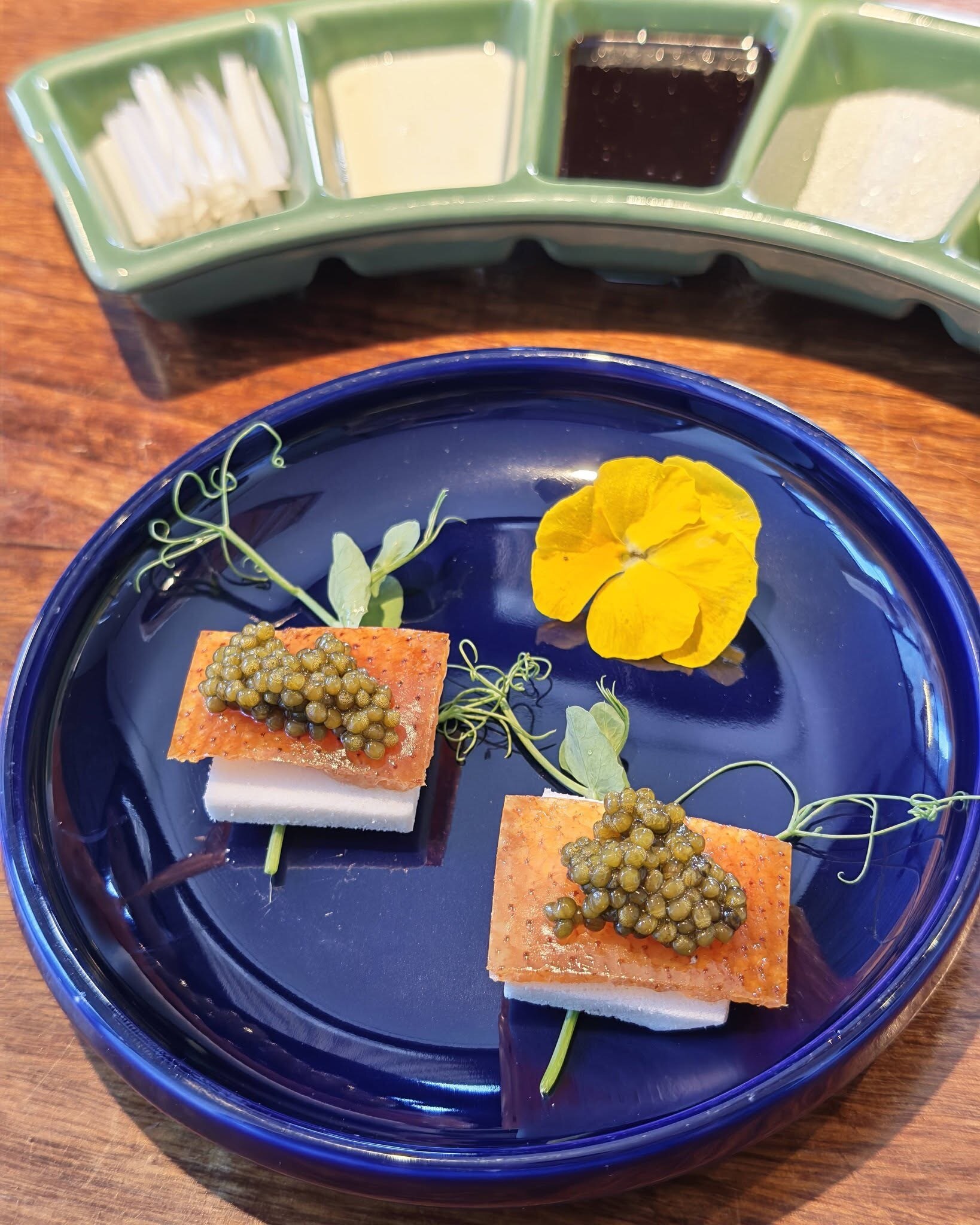
My food collection includes these two small bites on a deep blue plate, with green garnish and a yellow flower. A neatly arranged plate had its place alongside the vast buildings and monuments.
Beijing West Railway Station
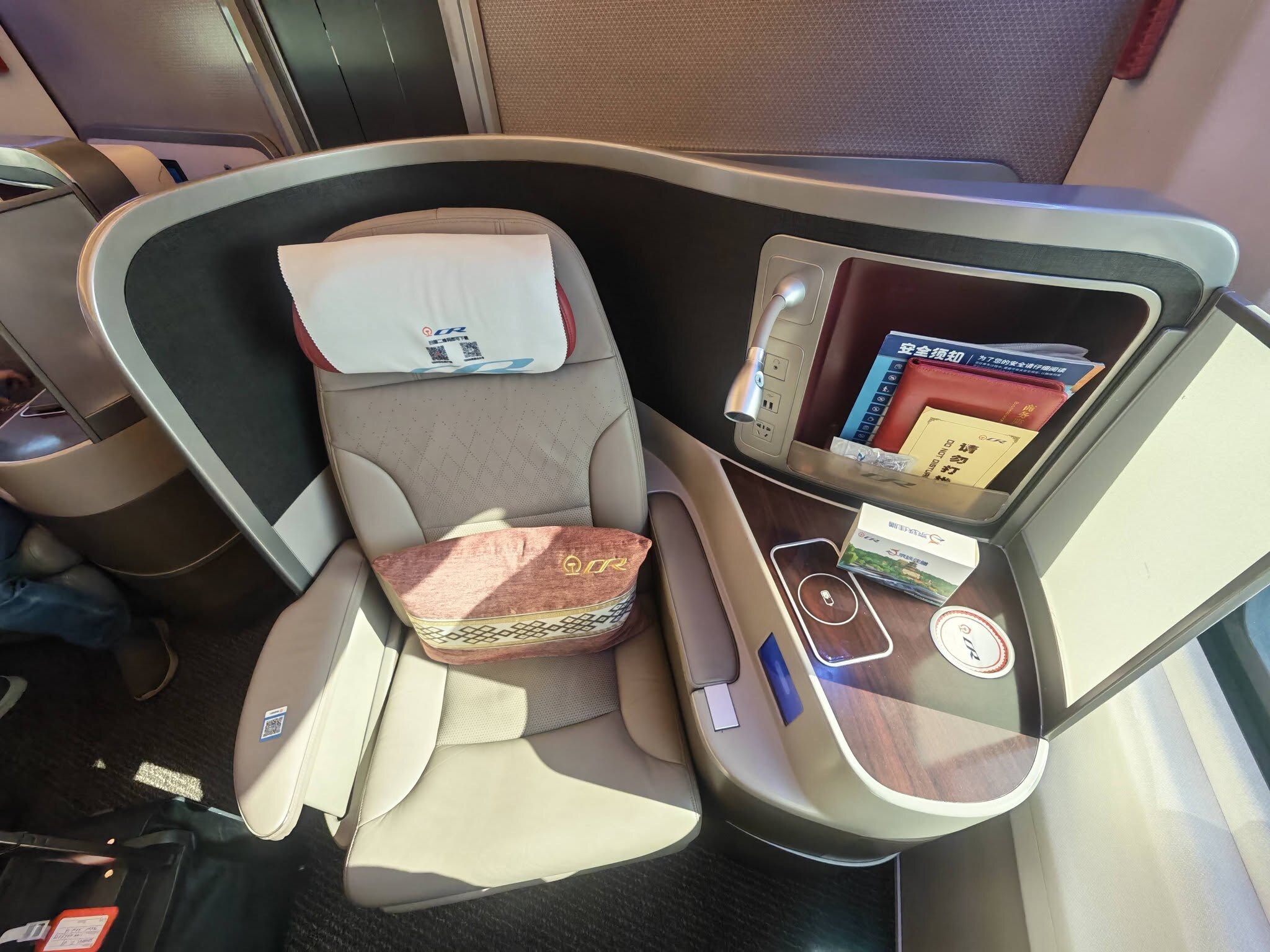
The Beijing West Railway Station collection includes this reclining train seat, with a side console, reading lamp and reading material close at hand. It is a small record of the travel between the larger sights.